

Hormones play a vital role in regulating nearly every function in a woman’s body. From menstrual cycles and metabolism to mood, sleep, and fertility, hormones act as powerful chemical messengers that keep the body in balance. When these hormones are disrupted, it can lead to a condition known as hormonal imbalance, which may affect physical, emotional, and mental well being.
Hormonal imbalance is more common than many women realize. It can develop at different stages of life, including puberty, pregnancy, postpartum, and menopause. While mild hormonal fluctuations are normal, persistent imbalances should never be ignored. Recognizing early symptoms and seeking timely medical care can prevent long-term health complications.
In this blog, we will explore what hormonal imbalance is, its causes, common symptoms, health risks, and effective ways to manage it.
Hormonal imbalance occurs when there is too much or too little of a particular hormone in the bloodstream. Even small changes in hormone levels can significantly affect how the body functions. Hormones are responsible for regulating metabolism, mood, reproduction, growth, and sleep patterns.
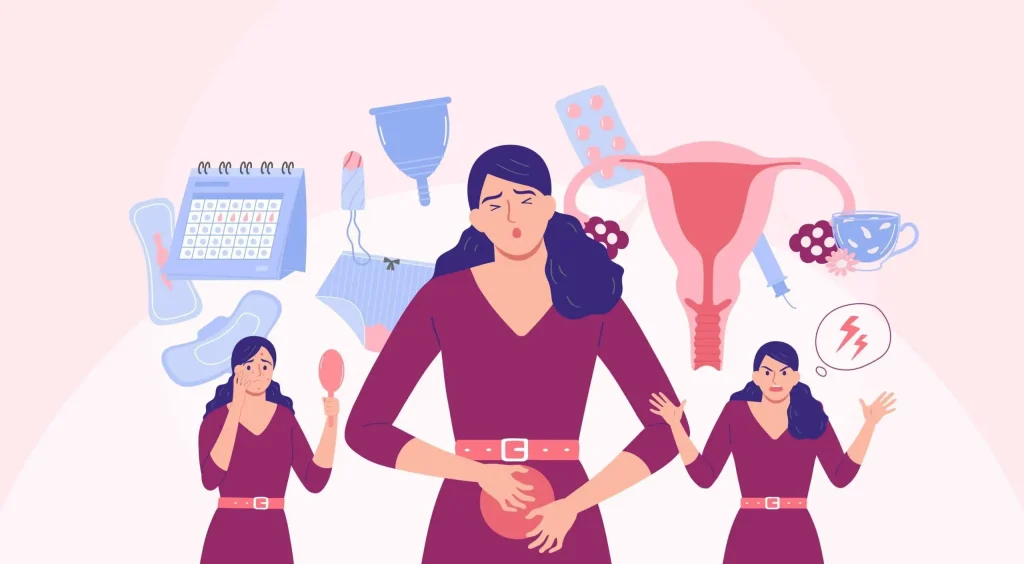
In women, the most commonly affected hormones include estrogen, progesterone, thyroid hormones, insulin, and cortisol. When these hormones fall out of balance, the body often sends warning signals that should not be ignored.
Hormonal imbalance can be temporary or chronic, depending on the underlying cause. Identifying the root cause is essential for proper treatment and long-term well being.
Hormonal imbalance can develop due to several internal and external factors. Understanding these causes helps women recognize early signs and take timely action. Below are the most common reasons that contribute to hormonal imbalance.
Chronic stress increases the production of cortisol, a hormone that directly affects the balance of other hormones such as estrogen and progesterone. Prolonged stress can disrupt menstrual cycles, impact sleep, and weaken the immune system. Over time, unmanaged stress can significantly affect overall hormonal health.
An unhealthy diet lacking essential nutrients can interfere with hormone production. High consumption of processed foods, sugar, and unhealthy fats may disturb insulin levels and contribute to hormonal fluctuations. A balanced diet supports stable hormone function and overall well-being.
The thyroid gland plays a key role in regulating metabolism and energy levels. When the thyroid becomes overactive or underactive, it can lead to hormonal imbalance. Symptoms may include weight changes, fatigue, irregular periods, and mood disturbances.
PCOS is one of the most common hormonal disorders in women. It affects ovulation and often causes irregular periods, acne, weight gain, and excess hair growth. Hormonal imbalance associated with PCOS can also impact fertility and emotional health.
Hormonal levels fluctuate significantly during pregnancy and after childbirth. While these changes are natural, some women may experience prolonged imbalances that affect mood, energy, and menstrual cycles after delivery.
As women approach menopause, estrogen and progesterone levels begin to decline. These changes can trigger symptoms such as hot flashes, sleep disturbances, and mood swings. Hormonal imbalance during this phase is common and often requires medical guidance.
Poor sleep, smoking, excessive caffeine intake, and lack of physical activity can all disturb hormonal balance. Maintaining healthy daily habits plays a vital role in supporting long-term hormonal stability.
Hormonal imbalance can affect women differently, but certain symptoms are commonly experienced. Recognizing these signs early allows for timely intervention.
One of the most noticeable signs of hormonal imbalance is irregular menstruation. This includes missed periods, heavy bleeding, spotting between cycles, or unusually painful periods.
Sudden weight gain or difficulty losing weight may indicate hormonal disruption, particularly involving insulin or thyroid hormones.
Persistent tiredness, even after adequate rest, may be a sign that hormones are not functioning properly.
Anxiety, irritability, depression, or sudden emotional shifts can be linked to hormonal fluctuations, especially estrogen and progesterone levels.
Hormonal imbalance can trigger acne, oily skin, or dry patches, especially around the jawline and chin.
Hair thinning, hair fall, or excessive facial hair growth may indicate hormonal disturbances such as elevated androgen levels.
Difficulty falling asleep or staying asleep is often related to imbalances in melatonin, cortisol, or estrogen.
Hormonal shifts can reduce sexual desire and cause discomfort during intimacy.
Bloating, constipation, or irregular digestion may also be influenced by hormonal changes.
If left untreated, hormonal imbalance can increase the risk of long-term health complications.
Irregular ovulation and hormonal disruptions can make conception difficult.
Low estrogen levels can lead to reduced bone density and increase the risk of osteoporosis.
Hormonal imbalance may increase the risk of cardiovascular disease, particularly after menopause.
Chronic hormonal imbalances can contribute to anxiety disorders, depression, and emotional instability.
Imbalances can affect insulin sensitivity, increasing the risk of diabetes and metabolic syndrome.
Diagnosing hormonal imbalance involves a detailed medical history, physical examination, and diagnostic tests. These may include:
• Blood tests to check hormone levels
• Thyroid function tests
• Ultrasound imaging when necessary
• Review of menstrual cycle patterns
• Assessment of lifestyle and stress levels
Accurate diagnosis is essential for creating an effective treatment plan.
Treatment depends on the underlying cause and severity of symptoms. A personalized approach often delivers the best results.
Hormone replacement therapy may be recommended to restore balance and relieve symptoms such as hot flashes, irregular cycles, or vaginal dryness.
Small changes can have a big impact, including:
• Balanced nutrition
• Regular physical activity
• Stress management techniques
• Adequate sleep
Consuming whole foods, healthy fats, lean proteins, and fiber supports hormone production and regulation.
Practices like yoga, meditation, deep breathing, and mindfulness can help stabilize hormonal fluctuations.
In some cases, medications may be prescribed to manage specific hormonal disorders such as thyroid conditions or PCOS.
It is important to consult a healthcare professional if symptoms persist or worsen. Early diagnosis and treatment can prevent complications and improve quality of life.
You should seek medical advice if you experience:
• Persistent menstrual irregularities
• Severe mood changes
• Unexplained weight changes
• Difficulty conceiving
• Ongoing fatigue or sleep disturbances
A qualified gynecologist can assess your symptoms, identify underlying causes, and develop a personalized treatment plan. Expert guidance ensures safe management of hormonal changes and helps restore balance naturally and effectively.
Hormonal imbalance is a common yet often overlooked health concern that affects many women at different stages of life. Recognizing the symptoms early and seeking professional care can make a significant difference in long-term health and quality of life.
With proper diagnosis, lifestyle adjustments, and medical guidance, hormonal balance can be restored, allowing women to feel energized, confident, and healthy again. Listening to your body and seeking timely support is the key to managing hormonal imbalance effectively.