

Infertility in women is a sensitive and emotionally challenging topic that affects millions of women worldwide. While pregnancy may happen naturally for some, others find themselves struggling to conceive despite months or even years of effort. This journey can be confusing, overwhelming, and emotionally draining, especially when answers are not immediately clear.
Infertility is not just a physical condition; it can deeply affect emotional health, relationships, and self-esteem. Many women blame themselves or feel isolated, unaware that infertility in women is far more common than generally discussed. The good news is that modern medicine offers effective diagnostic tools and treatment options that can significantly improve the chances of conception.
This comprehensive guide explains infertility in women in detail, including its causes, symptoms, diagnosis, and treatment, while also highlighting the importance of expert medical care.
Infertility in women is defined as the inability to conceive after 12 months of regular, unprotected intercourse. For women over the age of 35, this period is usually reduced to six months, as fertility naturally declines with age. Infertility does not always mean permanent inability to conceive; in many cases, it is treatable with the right medical approach.
Female infertility may occur due to problems with ovulation, hormonal regulation, the uterus, fallopian tubes, or overall reproductive health. Sometimes, multiple factors contribute at the same time, making diagnosis more complex. It is also important to understand that infertility is a shared issue between partners, although this article focuses specifically on infertility in women.
Understanding the medical definition of infertility helps remove misconceptions and encourages timely medical evaluation.
Infertility in women is more common than many people realize. A significant number of couples experience difficulty conceiving at some point in their reproductive years, and female-related factors account for a large portion of these cases. Despite its prevalence, infertility is often surrounded by stigma, leading many women to delay seeking medical help.
Changes in lifestyle, increased stress levels, delayed childbearing, and environmental factors have all contributed to rising infertility rates. Early awareness and medical consultation play a crucial role in improving outcomes and reducing emotional distress.
Recognizing infertility as a medical condition rather than a personal failure is an important step toward effective treatment.
To understand infertility in women, it is essential to know how the female reproductive system works. Each month, hormones stimulate the ovaries to release an egg through ovulation. The egg travels through the fallopian tube, where fertilization may occur if sperm is present. Once fertilized, the embryo moves to the uterus and implants in the uterine lining.
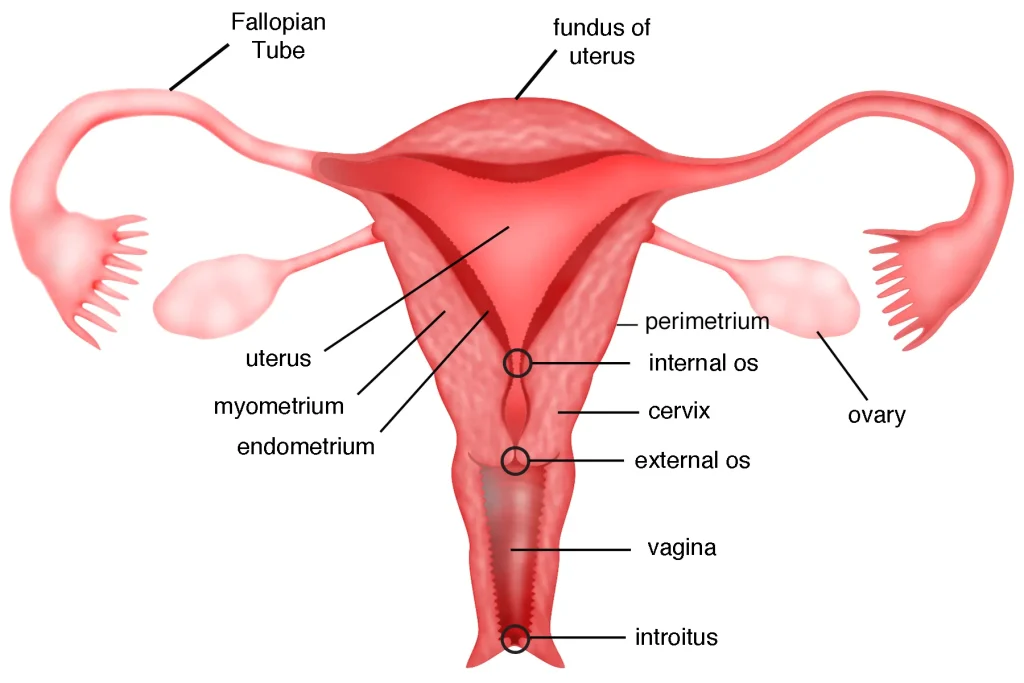
Any disruption in this process can result in infertility. Hormonal imbalances may prevent ovulation, damaged fallopian tubes may block fertilization, or uterine conditions may interfere with implantation. Identifying where the disruption occurs is key to selecting the right treatment.
Infertility in women can result from several medical and lifestyle factors. Below are the most common causes explained in detail.
Ovulation disorders are one of the leading causes of infertility in women. When ovulation occurs irregularly or not at all, the chances of conception decrease significantly. Hormonal imbalances involving estrogen, progesterone, and luteinizing hormone often interfere with egg release.
Stress, excessive exercise, extreme weight changes, and underlying hormonal disorders can all disrupt ovulation. Women with ovulation disorders may experience irregular or absent periods, which is often the first warning sign.
PCOS is a common hormonal condition and a major cause of infertility in women. It affects ovulation due to elevated androgen levels and insulin resistance. Women with PCOS often experience irregular periods, acne, weight gain, and excessive facial or body hair.
Without proper management, PCOS can lead to long-term complications such as diabetes and heart disease. However, with appropriate medical care and lifestyle modifications, many women with PCOS successfully conceive.
The fallopian tubes play a crucial role in fertility by allowing sperm and egg to meet. Blocked or damaged tubes prevent fertilization or stop the fertilized egg from reaching the uterus.
Tubal damage may occur due to pelvic infections, sexually transmitted infections, previous surgeries, or pelvic inflammatory disease. Early diagnosis is essential, as untreated damage can worsen over time.
Endometriosis occurs when tissue similar to the uterine lining grows outside the uterus. This tissue responds to hormonal changes, causing inflammation, pain, and scarring. Endometriosis can affect ovulation, fertilization, and implantation, contributing to infertility in women.
Symptoms may include painful periods, pelvic pain, pain during intercourse, and digestive discomfort. Although endometriosis can complicate conception, many women achieve pregnancy with proper treatment.
Structural abnormalities of the uterus, such as fibroids, polyps, or congenital abnormalities, can interfere with embryo implantation or increase the risk of miscarriage. These conditions may alter the shape of the uterine cavity or disrupt blood flow.
Modern imaging techniques help identify uterine abnormalities accurately, allowing for targeted treatment.
Hormonal imbalances play a significant role in infertility in women. Thyroid disorders, elevated prolactin levels, or adrenal gland issues can disrupt ovulation and menstrual regularity.
Correcting hormonal imbalances often restores fertility and improves overall reproductive health.
Age is one of the most influential factors affecting fertility. As women age, both the number and quality of eggs decline. Fertility decreases gradually after 30 and more rapidly after 35.
While age-related infertility does not make pregnancy impossible, it may require more specialized medical support.
Lifestyle choices such as smoking, alcohol consumption, poor nutrition, chronic stress, and lack of sleep can negatively affect fertility. Environmental exposure to toxins and pollutants may also play a role.
Adopting healthier habits supports hormonal balance and improves fertility outcomes.
Infertility often has no obvious symptoms other than difficulty conceiving. However, some women may experience warning signs such as irregular periods, absent menstruation, pelvic pain, or hormonal symptoms like acne and hair thinning.
Recognizing these symptoms early allows for prompt medical evaluation and treatment.
Women should consider seeking medical advice if they have been trying to conceive for more than a year, or six months if over 35. Medical consultation is also recommended if periods are irregular, extremely painful, or absent.
Early evaluation increases the chances of identifying treatable causes and improves overall outcomes.
Diagnosing infertility in women involves a detailed and systematic evaluation. This includes reviewing medical history, menstrual patterns, lifestyle factors, and previous pregnancies.
Diagnostic tests may involve hormone blood tests, ultrasound imaging, ovulation tracking, and assessment of fallopian tube function. Accurate diagnosis is essential for effective treatment planning.
Treatment depends on the underlying cause, age, and reproductive goals.
Improving diet, reducing stress, maintaining a healthy weight, and avoiding harmful substances can significantly improve fertility.
These medications help stimulate or regulate ovulation and are commonly used in fertility treatment.
Hormonal treatments help correct imbalances affecting ovulation and implantation.
Surgery may be required to correct structural abnormalities or remove fibroids and endometriosis tissue.
Assisted reproductive techniques may be recommended when other treatments are unsuccessful.
Dr. Namrata Jadhav is a trusted gynecologist in Dubai with extensive experience in diagnosing and treating infertility in women. She takes a personalized and compassionate approach, understanding that every fertility journey is unique.
With a strong focus on accurate diagnosis, evidence-based treatment, and emotional support, Dr. Namrata Jadhav helps women identify the root cause of infertility and choose the most suitable treatment plan. Her patient-centric care, combined with advanced diagnostic methods, offers women clarity, confidence, and hope throughout their fertility journey.
Women seeking expert guidance for infertility in women benefit from her holistic approach that addresses both physical and emotional well-being.
Infertility can deeply affect emotional health, leading to anxiety, frustration, and feelings of isolation. The uncertainty of treatment outcomes often adds to emotional stress.
Emotional support, counseling, and open communication with healthcare providers play a vital role in coping with infertility challenges.
Living with infertility requires patience, resilience, and proper medical guidance. With early diagnosis and personalized treatment, many women successfully overcome fertility challenges.
Education, professional care, and emotional support make a significant difference in achieving positive outcomes.
Infertility in women is a complex but manageable condition. Understanding its causes, diagnosis, and treatment options empowers women to take informed steps toward parenthood. With expert medical care, emotional support, and timely intervention, the journey toward conception becomes clearer and more hopeful.
If you are facing difficulty conceiving, consulting a qualified specialist is the first step toward answers, reassurance, and effective treatment.