
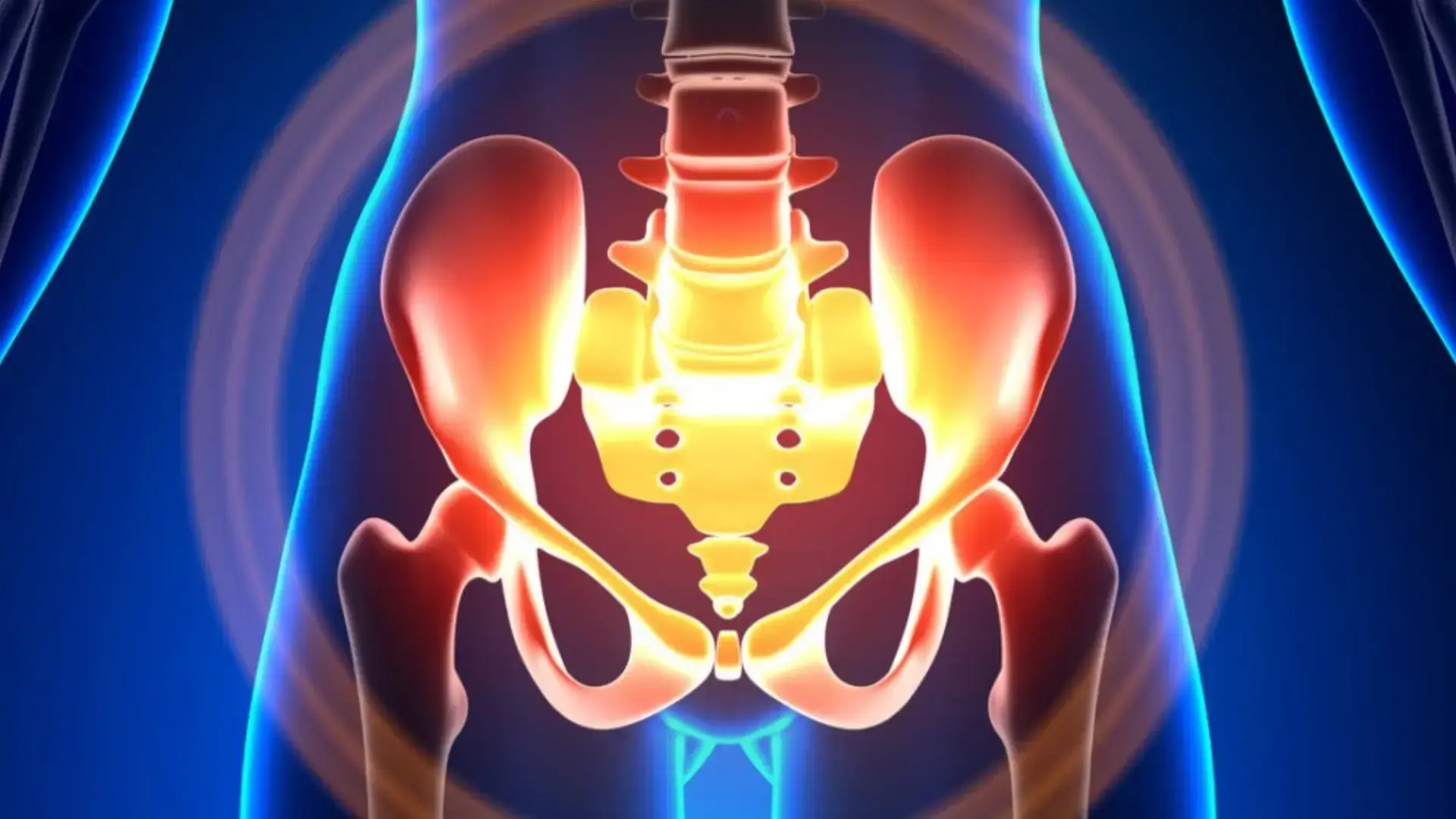
Pelvic floor disorders are a group of conditions that affect the muscles, ligaments, and connective tissues supporting the pelvic organs, including the bladder, uterus, and bowel. These muscles play a crucial role in maintaining continence, supporting reproductive organs, and enabling comfortable daily activities. When the pelvic floor becomes weak, tight, or damaged, it can lead to a variety of physical discomforts that significantly impact a woman’s quality of life.
Despite being common, pelvic floor disorders often go undiagnosed because many women feel embarrassed discussing symptoms like urinary leakage, pelvic pressure, or discomfort during intimacy. Others may assume these issues are a normal part of aging or childbirth and delay seeking medical advice. However, pelvic floor disorders are medical conditions that can be effectively managed with proper diagnosis and personalized treatment.
Dr. Namrata emphasizes that early evaluation and awareness are key to preventing long-term complications. With modern diagnostic tools and minimally invasive treatments available today, women no longer need to silently live with pelvic discomfort or functional limitations.
The pelvic floor is a complex network of muscles and connective tissues located at the base of the pelvis. It acts like a supportive hammock, holding vital organs such as the bladder, uterus, and rectum in place. These muscles are also responsible for controlling urination, bowel movements, and contributing to sexual function.
A healthy pelvic floor allows women to perform daily activities such as walking, exercising, lifting, and laughing without discomfort or leakage. It also plays an essential role during pregnancy and childbirth by supporting the growing uterus and assisting in vaginal delivery. Any imbalance—whether weakness, overstretching, or excessive tension—can disrupt this delicate system.
According to Dr. Namrata, understanding how the pelvic floor functions is the first step toward recognizing early signs of dysfunction. Many women are unaware of this muscle group until symptoms appear, which is why education plays a vital role in prevention and early treatment.
Pelvic floor disorders occur when the muscles and tissues supporting the pelvic organs become weakened, damaged, or overly tight. This dysfunction can lead to problems with bladder control, bowel movements, pelvic organ positioning, and overall pelvic comfort.
These disorders do not affect only older women. While aging can increase risk, pelvic floor disorders can occur at any stage of life, including in young women, postpartum mothers, and those with hormonal imbalances. Factors such as lifestyle, medical history, and genetics also contribute to the development of these conditions.
Dr. Namrata often highlights that pelvic floor disorders are not a single disease but a spectrum of conditions, each requiring a tailored diagnostic and treatment approach. Proper medical evaluation ensures that the underlying cause is addressed rather than just managing surface-level symptoms.
Pelvic organ prolapse occurs when weakened pelvic muscles allow organs such as the uterus, bladder, or rectum to descend into the vaginal canal. Women may experience a sensation of heaviness, pressure, or a visible bulge. This condition often develops after childbirth or during menopause due to reduced tissue strength.
Urinary incontinence is one of the most common pelvic floor disorders and involves involuntary leakage of urine. It may occur during activities such as coughing, sneezing, laughing, or exercising. Stress incontinence and urge incontinence are the most frequently diagnosed types.
Fecal incontinence involves difficulty controlling bowel movements, leading to leakage or urgency. This condition can be distressing and often results from muscle or nerve damage in the pelvic region.
In some cases, pelvic floor muscles may become overly tight rather than weak. This can lead to pain, difficulty during urination or bowel movements, and discomfort during intimacy. Proper diagnosis is essential, as treatment differs significantly from muscle-weakness-related conditions.
Symptoms of pelvic floor disorders can vary depending on the specific condition and severity. Many women experience gradual onset symptoms that worsen over time if left untreated. Common signs include pelvic pressure, discomfort, or a feeling of fullness in the vaginal area.
Bladder-related symptoms such as frequent urination, difficulty emptying the bladder, or leakage during physical activity are also common indicators. Some women report bowel irregularities, including constipation or loss of bowel control, which can be linked to pelvic muscle dysfunction.
Dr. Namrata advises women to seek medical evaluation if symptoms interfere with daily life, physical activity, or emotional well-being. Early assessment allows for conservative management options before symptoms progress.
Pelvic floor disorders develop due to a combination of physical, hormonal, and lifestyle factors. One of the most significant contributors is pregnancy and vaginal childbirth, which can stretch and weaken pelvic muscles and connective tissues.
Hormonal changes, particularly during menopause, can reduce tissue elasticity and muscle strength. Chronic conditions such as constipation, persistent coughing, obesity, and heavy lifting also place repeated strain on the pelvic floor.
Dr. Namrata emphasizes that previous pelvic surgeries, neurological conditions, and genetic predisposition may also increase risk. Understanding individual risk factors helps in designing personalized prevention and treatment strategies.
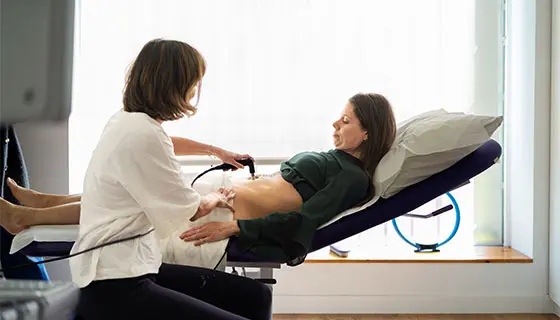
Accurate diagnosis is essential for effective management of pelvic floor disorders. Dr. Namrata follows a comprehensive diagnostic approach that begins with a detailed medical history and physical examination. This helps identify symptoms, severity, and potential contributing factors.
Advanced diagnostic tools such as pelvic imaging, bladder function tests, and muscle strength assessments may be used to confirm the diagnosis. These evaluations allow for a clear understanding of whether the issue involves muscle weakness, organ prolapse, or coordination problems.
A thorough diagnosis ensures that treatment targets the root cause rather than providing temporary relief. This approach significantly improves long-term outcomes and patient satisfaction.
Treatment for pelvic floor disorders depends on the type, severity, and individual patient needs. Conservative approaches are often the first line of management, especially in early-stage conditions. These may include pelvic floor physiotherapy, lifestyle modifications, and guided exercises to strengthen or relax muscles.
In cases where conservative treatments are insufficient, minimally invasive procedures may be recommended. Advances in medical technology have made it possible to restore pelvic function with reduced recovery time and improved comfort.
Dr. Namrata prioritizes patient education and shared decision-making, ensuring that women understand all available options and choose treatments aligned with their lifestyle and long-term health goals.
Preventive care plays a crucial role in maintaining pelvic health and reducing the risk of pelvic floor disorders. Maintaining a healthy weight, managing chronic constipation, and practicing correct lifting techniques help minimize strain on pelvic muscles.
Regular pelvic floor exercises, when performed correctly, can significantly improve muscle strength and coordination. Dr. Namrata also encourages women to stay physically active while choosing exercises that support pelvic health rather than placing excessive pressure on the pelvic region.
Preventive care is particularly important for women during pregnancy, postpartum recovery, and menopause, as these life stages involve significant hormonal and structural changes.
Dr. Namrata brings a patient-centered, empathetic approach to the diagnosis and management of pelvic floor disorders. With a deep understanding of women’s reproductive and pelvic health, she focuses on identifying the root cause of symptoms rather than offering one-size-fits-all solutions.
Her practice emphasizes education, helping women understand their bodies and feel confident discussing sensitive concerns. By combining clinical expertise with modern diagnostic and treatment techniques, Dr. Namrata ensures that each patient receives personalized care tailored to her specific needs.
Women seeking guidance for pelvic floor disorders benefit from a supportive environment where comfort, dignity, and long-term well-being are prioritized.
Pelvic floor symptoms should never be ignored, especially when they affect daily activities, emotional health, or physical comfort. Early medical consultation can prevent progression and reduce the need for more invasive treatments later.
Dr. Namrata encourages women to seek professional evaluation if they experience persistent pelvic discomfort, urinary or bowel issues, or changes in pelvic support. Timely intervention leads to better outcomes and restores confidence in everyday life.
Pelvic floor disorders are common yet often overlooked conditions that can significantly affect a woman’s physical and emotional well-being. With proper awareness, early diagnosis, and personalized treatment, these conditions can be effectively managed and even prevented.
Through education, modern medical approaches, and compassionate care, Dr. Namrata helps women regain comfort, confidence, and control over their pelvic health. Understanding pelvic floor disorders empowers women to take proactive steps toward long-term wellness and a better quality of life.