
Modern lifestyles often expose women to continuous physical, emotional, and mental stress. While stress is usually linked to mood changes and fatigue, many women do not realize its profound influence on female reproductive health. The reproductive system is highly sensitive to hormonal signals, and stress can interfere with this delicate balance, leading to menstrual irregularities, fertility challenges, and hormonal disturbances.
Understanding the connection between stress and female reproductive health is essential for maintaining overall well being. Women experiencing cycle changes, unexplained pelvic discomfort, or hormonal symptoms often discover that stress plays a significant role in these conditions.
Dr. Namrata emphasizes that female reproductive health is closely connected to emotional and hormonal balance. By identifying stress related reproductive concerns early, women can prevent long term complications and maintain optimal reproductive wellness.
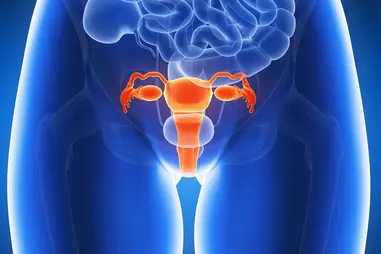
Female reproductive health involves the proper functioning of the ovaries, uterus, fallopian tubes, and hormonal system that regulates menstrual cycles, ovulation, and fertility. A healthy reproductive system supports regular menstrual patterns, hormonal stability, and the ability to conceive when desired.
Hormones such as estrogen, progesterone, and luteinizing hormone work together to maintain female reproductive health. Even minor disruptions in these hormonal signals can affect menstrual regularity and ovulation patterns. Because stress directly impacts hormonal pathways, it can interfere with the normal functioning of the reproductive system.
Dr. Namrata explains that female reproductive health is not limited to pregnancy and fertility. It reflects overall hormonal wellness and plays a major role in physical, emotional, and metabolic health.
Stress triggers the release of cortisol, a hormone that prepares the body to respond to challenges. While short term stress responses are normal, chronic stress can disrupt the balance between cortisol and reproductive hormones. When cortisol levels remain elevated for prolonged periods, it can suppress ovulation and interfere with estrogen and progesterone production.

This hormonal disruption can lead to delayed periods, irregular cycles, or even missed menstruation. Stress can also affect thyroid function, which plays a crucial role in female reproductive health. Women experiencing prolonged stress often report changes in cycle length and menstrual flow.
Dr. Namrata carefully evaluates hormonal patterns when stress related reproductive concerns are suspected. Addressing stress alongside hormonal evaluation helps restore balance and improve reproductive outcomes.
One of the most common ways stress affects female reproductive health is through menstrual irregularities. Women experiencing high stress levels may notice delayed periods, unpredictable cycles, or heavier or lighter menstrual flow than usual.
Stress affects the hypothalamus, a brain region responsible for regulating reproductive hormones. When the hypothalamus is influenced by emotional or physical stress, it may delay ovulation, resulting in late or missed periods. Some women also experience worsening menstrual cramps during stressful periods.
Dr. Namrata encourages women to monitor menstrual patterns carefully, as sudden changes may indicate stress related hormonal imbalance. Early evaluation helps prevent prolonged cycle disruption.
Ovulation is essential for conception, and stress can directly interfere with this process. Chronic stress may suppress the release of hormones required for ovulation, making it difficult for women to identify fertile windows. Women attempting to conceive often experience frustration when stress disrupts ovulation patterns.
Stress can also influence egg quality and hormonal stability, which are crucial for successful pregnancy. Addressing emotional well being is an important part of fertility planning and female reproductive health management.
Dr. Namrata integrates stress management strategies with fertility evaluations, helping women improve ovulatory function and reproductive readiness.
Stress may worsen symptoms of polycystic ovary syndrome, a common hormonal condition affecting female reproductive health. Women with PCOS often experience irregular periods, acne, and metabolic imbalance. Stress can increase insulin resistance and androgen production, intensifying PCOS symptoms.
Managing stress is an essential component of PCOS treatment. Dr. Namrata focuses on comprehensive care that combines hormonal regulation, lifestyle modification, and stress management techniques to improve reproductive health outcomes.
Emotional stress can influence sexual health and overall reproductive wellness. Women experiencing anxiety or emotional fatigue may notice reduced libido, vaginal dryness, or discomfort during intimacy. These changes often result from hormonal fluctuations linked to stress.
Healthy sexual function is an important aspect of female reproductive health. Dr. Namrata addresses emotional and physical factors affecting sexual wellness, helping women regain comfort and confidence through personalized care.
Stress not only affects conception but also influences pregnancy health. Elevated stress levels during pregnancy may impact hormonal stability and emotional well being. Pregnant women experiencing chronic stress may face increased risk of complications or discomfort.
Maintaining emotional balance supports maternal health and fetal development. Dr. Namrata provides supportive care and counseling for pregnant women, helping them manage stress while maintaining optimal reproductive health.
Several lifestyle habits contribute to stress related reproductive health concerns. Irregular sleep patterns, poor nutrition, excessive caffeine intake, and lack of physical activity can worsen hormonal imbalance. Social pressures and work related stress also play a significant role.
Balanced nutrition supports hormonal stability, while regular exercise promotes emotional well being and reproductive health. Stress management techniques such as mindfulness, yoga, and relaxation practices help regulate hormonal signals.
Dr. Namrata encourages patients to adopt sustainable lifestyle changes that support female reproductive health and improve long term wellness.
Women experiencing stress related reproductive health problems may notice several warning signs. These include irregular or missed periods, unexplained pelvic discomfort, persistent fatigue, and mood fluctuations. Some women experience worsening skin problems or sudden weight changes linked to hormonal imbalance.
Recognizing these symptoms early allows women to seek timely medical advice. Dr. Namrata carefully evaluates symptom patterns to determine whether stress is contributing to reproductive concerns and designs personalized treatment plans accordingly.
Diagnosing stress related reproductive problems requires a comprehensive medical evaluation. Dr. Namrata assesses menstrual history, lifestyle habits, emotional health, and hormonal patterns during consultation. Diagnostic tests may include hormonal blood tests, thyroid function analysis, and pelvic ultrasound when necessary.
This detailed evaluation helps identify underlying causes and ensures accurate treatment planning. Addressing both emotional and hormonal factors is essential for restoring reproductive balance.
Treatment of stress related reproductive health concerns focuses on balancing hormones and reducing stress triggers. Lifestyle modifications such as regular exercise, adequate sleep, and balanced nutrition often improve menstrual regularity and ovulation patterns.
Medical treatment may include hormonal therapy or targeted management of underlying conditions. Emotional support and counseling may also play a role in comprehensive care.
Dr. Namrata emphasizes individualized treatment strategies that address both physical and emotional health, ensuring sustainable reproductive wellness.
Dr. Namrata is known for her holistic approach to female reproductive health. She understands that reproductive concerns often have emotional, hormonal, and lifestyle components. Her patient centered care focuses on identifying root causes and providing personalized solutions.
She combines clinical expertise with compassionate communication, helping women feel comfortable discussing sensitive reproductive health concerns. By integrating hormonal evaluation, lifestyle guidance, and medical treatment, Dr. Namrata supports women in achieving long term reproductive balance.
Women should consider medical consultation if they experience repeated menstrual irregularities, fertility challenges, severe pelvic discomfort, or hormonal symptoms linked to stress. Early evaluation helps prevent complications and ensures appropriate treatment.
Dr. Namrata encourages women to prioritize reproductive health and seek professional guidance whenever cycle patterns change unexpectedly.
Stress is a significant yet often overlooked factor affecting female reproductive health. Chronic emotional and physical stress can disrupt hormonal balance, menstrual regularity, ovulation, and fertility. Recognizing the connection between stress and reproductive wellness allows women to take proactive steps toward maintaining hormonal stability.
With expert evaluation, personalized care, and supportive guidance, stress related reproductive health concerns can be effectively managed. Dr. Namrata’s experience and patient focused approach help women achieve balanced hormonal health and improved reproductive well being.