
Menstrual cycles can vary from one woman to another, but there are generally predictable patterns in terms of frequency, duration, and flow. When bleeding becomes unusually heavy, occurs between periods, lasts longer than normal, or happens after menopause, it may indicate a condition known as abnormal uterine bleeding.
Many women experience changes in their menstrual cycle at some point in life. While some variations may be harmless, others can signal underlying gynecological conditions that require medical attention. Understanding the causes and symptoms of abnormal uterine bleeding can help women recognize when it is time to seek professional evaluation.
Early diagnosis is important because abnormal bleeding may affect quality of life, contribute to anemia, and in some cases indicate more serious reproductive health concerns. The good news is that most causes can be effectively diagnosed and managed with appropriate medical care.
Abnormal uterine bleeding refers to any bleeding from the uterus that differs from a woman’s normal menstrual pattern. This can involve changes in timing, duration, frequency, or the amount of blood loss.
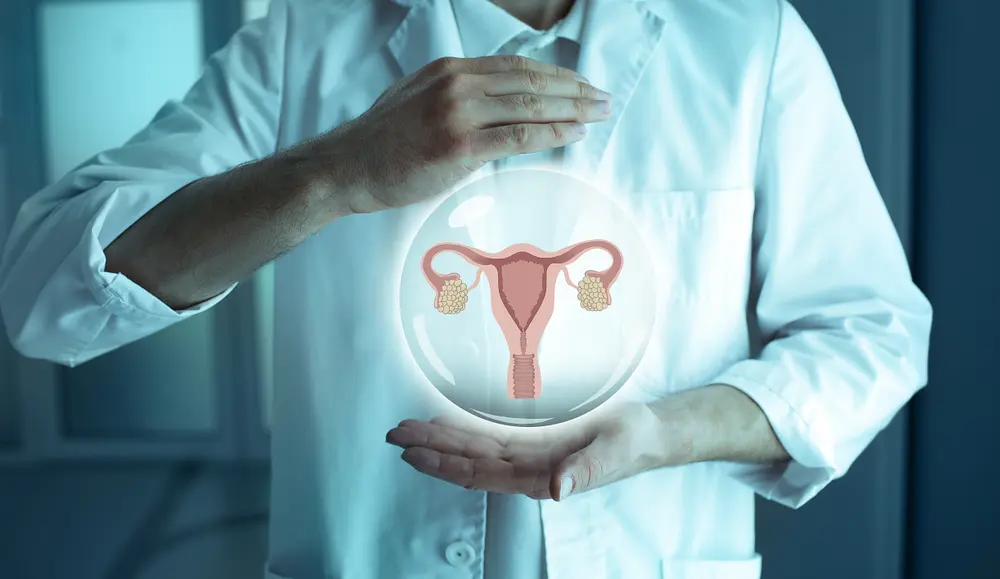
Some women may experience periods that are significantly heavier than usual, while others may notice spotting between periods or bleeding after sexual intercourse. In postmenopausal women, any vaginal bleeding should be considered abnormal and evaluated promptly.
Because menstrual patterns can naturally change during different stages of life, understanding what is normal for your body is essential. Any persistent or significant deviation from your usual cycle should be discussed with a healthcare provider.
The symptoms of abnormal uterine bleeding can vary depending on the underlying cause. Some women notice subtle changes, while others experience symptoms that significantly interfere with daily activities.
Common signs include:
Women who experience persistent or worsening symptoms should not ignore them, especially if the bleeding affects their daily routine or overall health.
There are many possible causes of abnormal uterine bleeding, ranging from hormonal imbalances to structural conditions affecting the uterus.
Hormones regulate the menstrual cycle. When estrogen and progesterone levels become imbalanced, the uterine lining may build up excessively or shed irregularly, leading to abnormal bleeding.
Hormonal imbalances can occur due to stress, thyroid disorders, polycystic ovary syndrome (PCOS), obesity, or certain medications.
Fibroids are noncancerous growths that develop within or around the uterus. Depending on their size and location, they may cause heavy periods, prolonged bleeding, and pelvic discomfort.
Many women with fibroids experience significant menstrual changes that prompt further medical evaluation.
Polyps are small growths that develop on the lining of the uterus. Although most are benign, they can contribute to irregular bleeding, spotting between periods, and heavy menstrual flow.
The likelihood of developing polyps may increase with age and certain hormonal factors.
Adenomyosis occurs when tissue that normally lines the uterus grows into the muscular wall of the uterus. This condition often causes heavy menstrual bleeding, severe cramps, and pelvic pressure.
Women with adenomyosis frequently experience menstrual symptoms that worsen over time.
Bleeding during pregnancy should always be evaluated by a healthcare provider. While some causes may be relatively minor, others may require urgent medical attention.
Early assessment helps ensure the health and safety of both the mother and the developing baby.
The causes of abnormal uterine bleeding often vary depending on a woman’s age and reproductive stage.
In teenagers, irregular cycles are commonly related to hormonal fluctuations as the reproductive system matures. However, persistent heavy bleeding should still be evaluated.
During reproductive years, abnormal bleeding may be linked to hormonal disorders, fibroids, polyps, pregnancy-related conditions, or infections.
Women approaching menopause often experience irregular menstrual patterns due to fluctuating hormone levels. Although some changes are expected, heavy or prolonged bleeding should never be ignored.
Any bleeding after menopause is considered abnormal and requires prompt medical evaluation to rule out serious conditions affecting the uterus or cervix.
Accurate diagnosis begins with a detailed medical history and discussion of menstrual patterns. Healthcare providers typically ask about cycle length, bleeding duration, symptom severity, and associated symptoms. Additional diagnostic tools may include:
These evaluations help identify the underlying cause and guide appropriate treatment decisions.
Ignoring abnormal uterine bleeding can lead to several complications, particularly when symptoms persist over time.
One of the most common complications is iron deficiency anemia. Excessive blood loss can reduce iron levels, causing fatigue, weakness, dizziness, and difficulty concentrating.
Persistent abnormal bleeding may also affect fertility, daily activities, work productivity, and emotional wellbeing. Identifying the cause early often leads to better outcomes and more effective treatment options.
Treatment depends on the underlying cause, symptom severity, age, and reproductive goals of the patient.
In some cases, lifestyle modifications and medication can help regulate menstrual cycles and reduce bleeding. Hormonal therapies are commonly used when bleeding is related to hormonal imbalance. Iron supplementation may also be recommended for women experiencing anemia due to heavy blood loss.
Certain conditions such as uterine polyps may be treated using minimally invasive procedures that remove abnormal tissue while preserving uterine health. These procedures often allow for quicker recovery and improved symptom control.
For women with significant fibroids, adenomyosis, or other structural abnormalities, surgical intervention may be considered when conservative treatments are not effective.
The most appropriate treatment plan depends on each woman’s unique health situation and future reproductive goals.
In some cases, abnormal uterine bleeding may be associated with conditions that impact fertility. Hormonal disorders, uterine abnormalities, and ovulation problems can all influence a woman’s ability to conceive.
However, experiencing abnormal bleeding does not automatically mean infertility. Many women successfully conceive after receiving appropriate diagnosis and treatment.
Women who are planning pregnancy and experiencing irregular bleeding should seek professional evaluation to ensure optimal reproductive health.
While occasional menstrual irregularities can occur, certain symptoms warrant prompt medical attention. You should consult a gynecologist if you experience:
Early medical assessment can identify the cause and help prevent complications.
Abnormal uterine bleeding often requires a comprehensive evaluation to determine the underlying cause and develop an effective treatment plan. Dr. Namrata Jadhav provides personalized gynecological care focused on identifying the root cause of menstrual abnormalities and helping women regain confidence in their reproductive health.
With extensive experience in managing hormonal disorders, uterine conditions, fertility concerns, and menstrual irregularities, Dr. Namrata takes a patient-centered approach to diagnosis and treatment. Her goal is not only to address symptoms but also to improve overall reproductive wellbeing and long-term health.
Women experiencing persistent or unexplained bleeding can benefit from timely evaluation, accurate diagnosis, and individualized care tailored to their specific needs.
While not all causes of abnormal uterine bleeding can be prevented, certain lifestyle habits may support overall reproductive health. Helpful practices include:
Being proactive about reproductive health allows women to identify concerns early and receive appropriate care when needed.
Abnormal uterine bleeding is a common gynecological concern that can occur at any stage of a woman’s life. While some causes are relatively harmless, others may require medical treatment to prevent complications and protect reproductive health.
Understanding the symptoms, recognizing potential warning signs, and seeking timely medical evaluation are essential steps toward maintaining a healthy menstrual cycle. With proper diagnosis and personalized care, most women can successfully manage abnormal uterine bleeding and improve their overall quality of life.
If you experience persistent changes in your menstrual pattern, consulting an experienced gynecologist can help ensure that any underlying issues are identified and treated appropriately.