
Receiving a diagnosis of cervical ectropion can be confusing, especially if you have never heard of the condition before. Many women become anxious when they learn that there is a change in the cervix, often fearing that it may be linked to cancer or another serious disease. Fortunately, cervical ectropion is usually a harmless and very common condition that affects women during their reproductive years.
Although it is generally considered a normal variation rather than a disease, cervical ectropion can sometimes cause symptoms such as unusual vaginal discharge, spotting after intercourse, or light bleeding between periods. These symptoms can understandably cause concern, making it important to understand what cervical ectropion is and when medical evaluation is necessary.
The good news is that most women with cervical ectropion do not require treatment. However, because its symptoms can resemble those of infections or other cervical conditions, an accurate diagnosis by an experienced gynecologist is essential. Understanding the condition helps women make informed decisions about their reproductive health while avoiding unnecessary worry.
Cervical ectropion, sometimes called cervical erosion or cervical ectopy, is a benign condition in which the soft glandular cells that normally line the inside of the cervical canal extend onto the outer surface of the cervix.
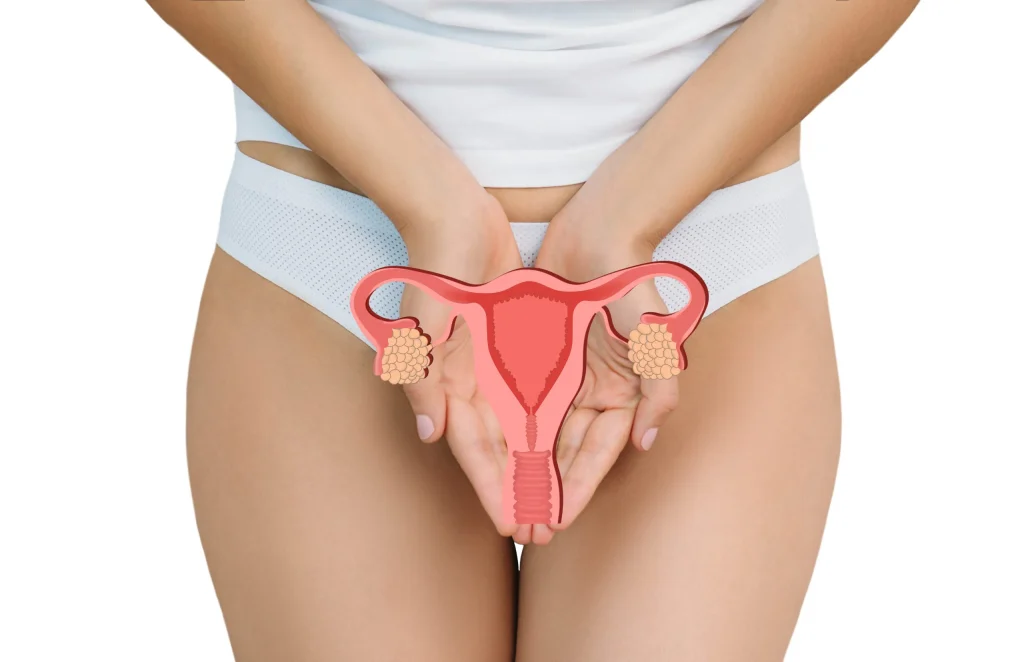
Normally, the outer cervix is covered with tougher squamous cells that provide protection. In cervical ectropion, the more delicate glandular cells become visible on the outside of the cervix. Because these cells are thinner and contain many tiny blood vessels, they appear redder than the surrounding tissue and may bleed more easily when touched.
Despite the term “erosion,” cervical ectropion does not mean that the cervix is damaged or wearing away. It is simply a natural anatomical variation that commonly occurs due to hormonal influences.
Cervical ectropion is much more common than many women realize. It frequently occurs in:
Because estrogen encourages the glandular cells to move outward, cervical ectropion is seen most often during times when estrogen levels are naturally elevated.
Many women have cervical ectropion without ever knowing it. It is often discovered incidentally during a routine pelvic examination or cervical screening.
The primary factor associated with cervical ectropion is hormonal change, particularly increased estrogen levels. Rather than being caused by infection or poor hygiene, it develops as a normal response of the cervical tissue to hormonal fluctuations. Several situations may contribute to its development.
Estrogen plays a major role in the appearance of cervical ectropion. During puberty, pregnancy, and the reproductive years, estrogen levels are naturally higher, increasing the likelihood of glandular cells becoming visible on the outer cervix. As hormone levels decline after menopause, cervical ectropion often resolves naturally.
Pregnancy causes significant hormonal changes that increase blood flow to the cervix. These changes make cervical ectropion particularly common among pregnant women.
Because the cervix becomes more sensitive during pregnancy, minor spotting after intercourse or pelvic examinations may occur.
Combined hormonal contraceptives contain estrogen, which may encourage cervical ectropion to develop or become more noticeable. Some women notice improvement after changing contraceptive methods under medical guidance.
Some women naturally develop cervical ectropion without any obvious contributing factor. It is considered a normal variation of cervical anatomy rather than a disease.
Many women with cervical ectropion experience no symptoms at all. When symptoms do occur, they are usually related to the delicate glandular cells that have become exposed. Common symptoms include:
The amount of discharge may vary from woman to woman because the exposed glandular cells naturally produce mucus. Although this discharge can be concerning, it is not necessarily a sign of infection.
One of the most common concerns women have after being diagnosed with cervical ectropion is whether it will affect their ability to become pregnant.
In most cases, cervical ectropion does not cause infertility. Ovulation, fertilization, and implantation generally occur normally despite the presence of this condition.
Women with cervical erosion can usually conceive naturally unless another unrelated fertility condition is present. In fact, many women only discover they have cervical ectropion during routine prenatal examinations after becoming pregnant.
However, if symptoms such as persistent bleeding or recurrent infections are present, evaluation by a gynecologist is recommended to ensure there are no additional underlying conditions affecting reproductive health.
Diagnosis usually begins with a detailed discussion of symptoms, menstrual history, and reproductive health. During a pelvic examination, a gynecologist may observe the characteristic red appearance of the glandular tissue on the outer cervix. Because other cervical conditions can produce similar symptoms, additional investigations may sometimes be recommended.
These may include:
Routine cervical screening helps rule out abnormal cervical cell changes that are unrelated to cervical ectropion.
If the cervix appears unusual or symptoms persist, a colposcopy allows the gynecologist to examine the cervix under magnification for a more detailed assessment.
Vaginal or cervical swabs may be performed to exclude infections that can also cause discharge or bleeding. These investigations help ensure an accurate diagnosis and appropriate management.
One of the reassuring aspects of cervical ectropion is that treatment is often unnecessary. Women who do not experience bothersome symptoms usually require only reassurance and routine follow-up during regular gynecological care.
Treatment may be considered when symptoms significantly interfere with daily life, such as persistent bleeding after intercourse or excessive vaginal discharge.
Available treatment options may include gentle procedures that encourage the glandular cells to be replaced by tougher squamous cells. These treatments are typically quick, minimally invasive, and performed on an outpatient basis. The decision to treat depends on symptom severity, overall health, and individual preferences.
Yes. Several gynecological conditions can produce symptoms similar to cervical ectropion, making professional evaluation important. Conditions that may resemble cervical ectropion include:
Because the symptoms overlap, women should never attempt to diagnose themselves based solely on internet searches. A proper examination allows the correct diagnosis to be made while providing reassurance when the condition is benign.
Although cervical ectropion is usually harmless, certain symptoms should always prompt medical evaluation. You should arrange a gynecological consultation if you experience:
Early evaluation helps identify whether symptoms are caused by cervical ectropion or another condition requiring treatment.
Because cervical ectropion is largely influenced by natural hormonal changes, there is no guaranteed way to prevent it. However, maintaining regular gynecological checkups plays an important role in protecting cervical health.
Women can also support their reproductive wellbeing by:
Although these measures may not prevent cervical ectropion itself, they help ensure that other cervical conditions are detected early.
Changes involving the cervix can understandably cause anxiety, particularly when symptoms such as unexpected bleeding or abnormal discharge occur. Dr. Namrata Jadhav provides comprehensive evaluation and management of cervical conditions with a strong focus on accurate diagnosis, patient education, and individualized care.
Her clinical approach begins with carefully understanding each patient’s symptoms, medical history, and reproductive goals before recommending appropriate investigations or treatment. Whether cervical ectropion is discovered during a routine examination or while investigating symptoms, she ensures that patients clearly understand the condition and the available management options.
With extensive experience in preventive gynecology, cervical health, menstrual disorders, fertility care, and women’s reproductive health, Dr. Namrata is committed to helping women make informed decisions while providing compassionate, evidence-based care throughout every stage of life.
Cervical ectropion is a common and usually harmless condition that affects many women during their reproductive years. Although it can cause symptoms such as increased vaginal discharge or light bleeding after intercourse, it is not cancer and does not usually interfere with fertility.
Understanding the causes, recognizing the symptoms, and knowing when to seek medical evaluation can help women approach this condition with confidence rather than concern. Most cases require little or no treatment, but persistent symptoms should always be assessed by an experienced gynecologist to exclude other conditions.
Routine gynecological examinations remain one of the most effective ways to protect cervical and reproductive health. With timely evaluation and expert guidance, women can receive the reassurance or treatment they need while maintaining their overall wellbeing.