
Hearing that you need an endometrial biopsy can naturally raise questions and concerns. Many women wonder why the procedure is necessary, whether it is painful, and what the results might reveal. While the name may sound intimidating, an endometrial biopsy is a common gynecological procedure that plays an important role in diagnosing conditions affecting the lining of the uterus.
The endometrium, or uterine lining, changes throughout the menstrual cycle in response to hormones. Sometimes these changes become abnormal, leading to symptoms such as irregular bleeding, unusually heavy periods, bleeding after menopause, or difficulty conceiving. In these situations, an endometrial biopsy provides valuable information by allowing a small sample of the uterine lining to be examined under a microscope.
Rather than relying solely on imaging tests or symptoms, an endometrial biopsy helps your gynecologist identify the underlying cause of abnormal uterine changes and develop the most appropriate treatment plan. Understanding why the procedure is performed and what to expect can help you feel more confident if your doctor recommends it.
An endometrial biopsy in Dubai is a minimally invasive procedure used to collect a small tissue sample from the lining of the uterus, known as the endometrium. The sample is then examined by a pathologist to identify abnormal cells, hormonal changes, inflammation, precancerous conditions, or other abnormalities.
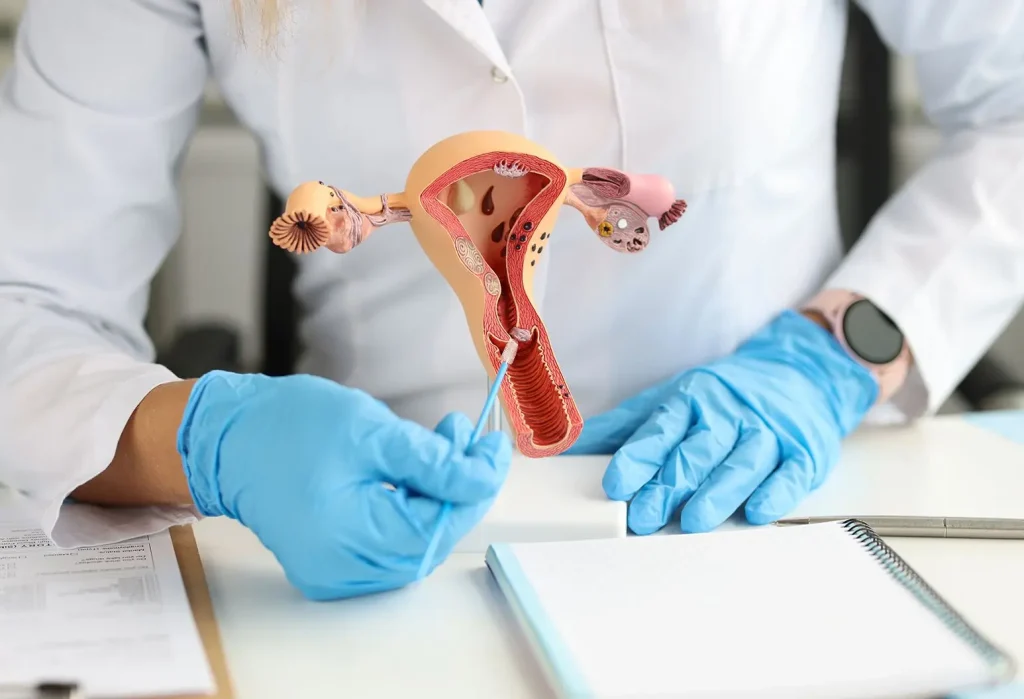
Unlike major surgical procedures, an endometrial biopsy is usually performed in the outpatient clinic and generally takes only a few minutes. Most women can return to their normal daily activities shortly after the procedure.
Because it provides direct information about the uterine lining, an endometrial biopsy is considered one of the most valuable diagnostic tools in modern gynecology.
A best gynecologist in Dubai may recommend an endometrial biopsy when symptoms or imaging studies suggest that further evaluation of the uterine lining is necessary. The procedure helps identify conditions that cannot always be confirmed through ultrasound alone. Common reasons include:
Although these symptoms can have many possible causes, obtaining a tissue sample allows for a more accurate diagnosis and ensures that treatment is based on reliable clinical findings.
One of the greatest advantages of an endometrial biopsy is its ability to distinguish between different uterine conditions that may produce similar symptoms. Some of the conditions it can help diagnose include:
This condition involves abnormal thickening of the uterine lining, often caused by prolonged exposure to estrogen without sufficient progesterone. Some forms of hyperplasia may increase the risk of developing endometrial cancer if left untreated.
An endometrial biopsy is one of the most important investigations when there is concern about cancer of the uterine lining. Early diagnosis significantly improves treatment outcomes.
The appearance of the endometrial tissue can provide valuable insight into how hormones are affecting the menstrual cycle, particularly in women experiencing irregular periods or abnormal bleeding.
Persistent inflammation of the uterine lining can contribute to abnormal bleeding, pelvic discomfort, and fertility challenges. A biopsy may help confirm the diagnosis.
The procedure may detect precancerous or other abnormal cellular changes before they progress into more serious conditions, allowing early intervention when necessary.
Preparation for an endometrial biopsy is usually straightforward. Your gynecologist will explain the procedure, discuss your symptoms, and review your medical history before scheduling the test. You may be advised to:
Following your gynecologist’s instructions helps ensure the procedure is performed safely and comfortably.
An endometrial biopsy is typically completed within 10 to 15 minutes. You will lie comfortably on the examination table in a position similar to a routine pelvic examination. A speculum is gently inserted into the vagina so the cervix can be visualized. After cleansing the area, a thin, flexible instrument is carefully passed through the cervix into the uterus to obtain a small sample of the endometrial tissue.
Many women experience temporary cramping similar to menstrual cramps while the tissue sample is collected. Although the sensation may be uncomfortable, it usually lasts only a short time. Once the sample has been obtained, it is sent to a laboratory where a specialist examines the tissue under a microscope.
One of the most common questions women ask from a gynecologist in Dubai is whether an endometrial biopsy is painful. The experience varies from person to person, but most women describe the discomfort as brief menstrual-like cramping rather than severe pain.
Some women feel only mild pressure, while others experience stronger cramps that quickly improve once the procedure is completed. Mild spotting or light cramping for a day or two afterward is also common.
If you feel anxious about the procedure, discussing your concerns with your gynecologist beforehand can help make the experience more comfortable.
Recovery is generally quick, and most women resume their regular activities the same day. You may experience:
Your doctor may advise avoiding sexual intercourse, tampon use, or vaginal douching for a short period to reduce the risk of infection while the cervix heals.
If you develop heavy bleeding, severe abdominal pain, fever, or foul-smelling vaginal discharge, you should contact your healthcare provider promptly, as these symptoms may require medical evaluation.
Receiving biopsy results can understandably cause anxiety, but it is important to remember that an abnormal result does not automatically mean cancer. Results may indicate:
Your gynecologist will carefully explain the findings, discuss their significance, and recommend any additional investigations or treatment if required.
Certain symptoms should never be ignored because they may indicate an underlying uterine condition requiring further evaluation. Arrange a consultation if you experience:
Early assessment allows appropriate investigations, including an endometrial biopsy when necessary, leading to earlier diagnosis and more effective treatment.
Every woman deserves a clear understanding of her diagnosis before making treatment decisions. The best female gynecologist in Dubai Dr. Namrata Jadhav believes in combining advanced diagnostic techniques with compassionate, patient-centered care. When an endometrial biopsy is recommended, she takes the time to explain why the procedure is necessary, what it involves, and how the results will guide the next steps in treatment.
With extensive experience in managing abnormal uterine bleeding, endometrial disorders, infertility, menopause, and other complex gynecological conditions, Dr. Namrata provides individualized care based on each patient’s symptoms, medical history, and reproductive goals. Her evidence-based approach ensures that every woman receives accurate diagnosis and a personalized management plan while feeling supported throughout the process.
Choosing the right gynecologist is especially important when diagnostic procedures such as an endometrial biopsy are recommended. Women searching for the best gynecologist in Dubai often seek a specialist who combines clinical expertise with compassionate communication and individualized care.
Dr. Namrata Jadhav is committed to providing comprehensive women’s healthcare, emphasizing early diagnosis, preventive care, and evidence-based treatment. Whether you are experiencing abnormal bleeding, irregular periods, fertility concerns, or menopausal symptoms, she focuses on identifying the underlying cause and recommending the most appropriate treatment for your long-term health and well-being.
An endometrial biopsy is a valuable diagnostic procedure that helps evaluate the health of the uterine lining and identify conditions that may not be detected through symptoms or imaging alone. Whether performed to investigate abnormal bleeding, assess a thickened endometrium, or rule out precancerous or cancerous changes, the procedure provides essential information that supports timely and accurate medical care.
Although the idea of undergoing a biopsy may seem concerning, it is typically a quick, safe, and minimally invasive procedure with a short recovery period. Understanding why it is performed and what to expect can help reduce anxiety and encourage informed healthcare decisions.
If you are experiencing persistent menstrual irregularities, unexplained uterine bleeding, or other concerning symptoms, consulting an experienced gynecologist can help determine whether an endometrial biopsy is appropriate. Early evaluation and expert guidance remain the foundation of maintaining lifelong reproductive health.