
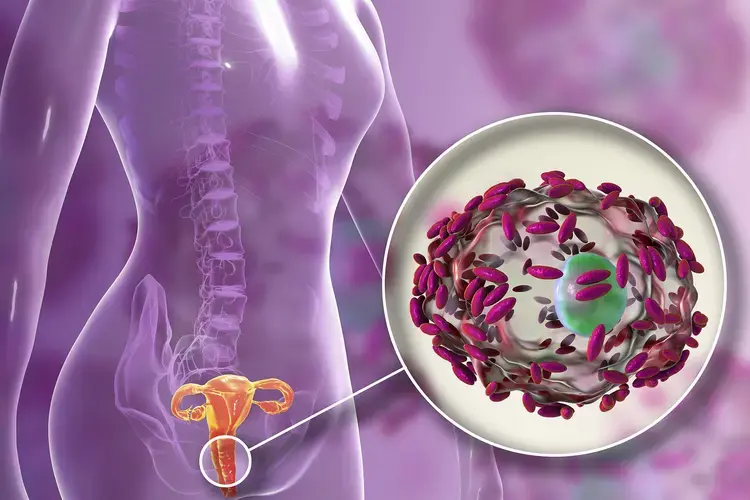
Bacterial vaginosis (BV) is a common vaginal condition that develops when the natural balance of bacteria inside the vagina changes. Normally, beneficial bacteria help maintain a healthy vaginal environment. When certain other bacteria become more abundant, this balance can be disrupted, leading to symptoms such as unusual vaginal discharge and an unpleasant odor. Bacterial vaginosis can affect women of reproductive age, although it may also occur at other ages. Some women experience noticeable symptoms, while others may have the condition without realizing it.
Although BV is associated with sexual activity, it is not classified as a conventional sexually transmitted infection (STI). It can also develop in women who have not been sexually active. Understanding the symptoms, possible causes, and available treatment options can help women recognize changes in their vaginal health and seek appropriate medical care.
The symptoms of bacterial vaginosis can vary from one woman to another. Some women experience only a change in vaginal discharge, while others may notice an unusual smell or mild irritation.
Common symptoms include:
It is important to remember that many women with BV do not experience any symptoms. The absence of discomfort does not always mean that the vaginal environment is healthy. Persistent or unusual symptoms should be assessed by a healthcare professional, particularly when they are new or different from your usual pattern.
Changes in vaginal discharge are among the most recognizable signs of bacterial vaginosis. Understanding these changes can help women decide when to seek medical advice. Bacterial vaginosis discharge is commonly described as thin, smooth, and watery. It may have a white or gray appearance and can be accompanied by a fishy odor. However, not every change in vaginal discharge indicates BV. Normal discharge can vary in amount and consistency throughout the menstrual cycle. Hormonal changes, pregnancy, and other vaginal conditions can also affect discharge.
For example, a yeast infection often causes thick, white discharge accompanied by significant itching, while certain sexually transmitted infections may cause yellow or green discharge. These patterns can overlap, so appearance alone cannot confirm the cause. If your discharge develops a strong odor, changes noticeably, or occurs alongside burning or discomfort, a gynecologist can help identify the underlying condition.
The exact reason bacterial vaginosis develops is not fully understood. It occurs when the usual balance of vaginal bacteria changes, allowing certain bacteria to become more abundant. Several factors are associated with a greater likelihood of developing BV.
The vagina naturally contains a community of microorganisms that help maintain its normal environment. A reduction in protective Lactobacillus bacteria and an increase in other bacterial types can contribute to BV. This imbalance is not a sign of poor personal hygiene.
Douching involves washing or cleaning inside the vagina. This practice can disturb the natural bacterial balance and is associated with an increased risk of BV. Scented vaginal washes, deodorants, and other products may also cause irritation or interfere with the vaginal environment. The vagina does not need internal cleansing.
BV is more common among sexually active women and has been associated with having a new sexual partner, multiple partners, and not using condoms. However, BV can occur without sexual activity, and its presence does not establish that a woman has an STI or that a partner has been unfaithful.
Some women experience bacterial vaginosis repeatedly, even after completing treatment. Researchers continue to investigate why the condition returns and how the vaginal bacterial balance can be maintained over time.
Menstruation and certain contraceptive factors may be associated with changes in the vaginal environment. However, not every woman with these factors will develop BV, and the condition can occur without an identifiable trigger. Understanding the possible bacterial vaginosis causes can help guide prevention and treatment, but there is not always one clear explanation for an individual case.
A gynecologist will usually begin by asking about your symptoms, including changes in discharge, odor, irritation, and when the symptoms started. Your medical history and any previous episodes may also be relevant. Depending on your symptoms, the assessment may include a pelvic examination and a sample of vaginal fluid.
Testing may involve examining the sample under a microscope, measuring vaginal pH, or using laboratory tests to identify BV. The clinician may also recommend testing for other infections if your symptoms suggest another possible cause. This step is important because BV can resemble other vaginal conditions. Treating the wrong condition may delay relief and allow the actual cause of the symptoms to persist.
The appropriate bacterial vaginosis treatment depends on your symptoms, medical history, pregnancy status, and clinical assessment. When treatment is needed, healthcare professionals commonly prescribe antibiotics that target the bacteria associated with BV. These medicines are available in oral and vaginal forms.
A clinician may prescribe an oral antibiotic, such as metronidazole, to treat bacterial vaginosis. The medication and duration of treatment depend on the recommended regimen and the individual patient’s circumstances. It is important to follow the prescribed instructions and complete the course as directed.
Vaginal treatments, including metronidazole gel or clindamycin cream, are other commonly used options. These medicines act locally and may be suitable for certain patients. Your gynecologist can explain the available options, how to use the medication, and any precautions that apply.
Women who are pregnant and experience symptoms of bacterial vaginosis should seek medical assessment. A healthcare professional can confirm the diagnosis and determine whether treatment is appropriate. BV during pregnancy has been associated with certain complications, including preterm birth. However, this does not mean that every pregnant woman with BV will experience complications. Treatment decisions should be based on clinical guidance and individual circumstances.
Bacterial vaginosis can recur after treatment. If symptoms return, it is best to arrange another assessment rather than repeatedly using leftover medication or trying different products without guidance. A clinician may recommend another course of treatment or discuss a management plan for recurrent BV. The best approach depends on how frequently symptoms occur and how the condition responds to previous treatment. Probiotics and home remedies should not be relied on as substitutes for established treatment. Evidence supporting their use as a replacement for prescribed antibiotics is insufficient.
There is no guaranteed way to prevent every episode of bacterial vaginosis, but certain habits may help reduce the risk of disrupting the natural vaginal environment. Consider the following measures:
Maintaining vaginal health is not about excessive cleaning. In fact, unnecessary washing inside the vagina can disturb the balance that helps protect it.
A change in vaginal discharge or odor does not always indicate a serious problem, but it should not be ignored when it persists or is unusual for you. Consider booking a gynecological consultation if you experience:
Seek prompt medical assessment if symptoms occur with fever, significant pelvic pain, or unusual bleeding, as these may indicate another condition requiring timely care. Early assessment can help distinguish BV from other causes of vaginal symptoms and ensure that you receive the appropriate treatment.
Changes in vaginal discharge, odor, or comfort can feel difficult to discuss, but these are common concerns in gynecological care. Getting an accurate diagnosis is an important step toward effective treatment and long-term vaginal health.
Dr. Namrata Jadhav provides gynecological care in Dubai, with an approach focused on understanding each patient’s symptoms, medical history, and individual needs. A consultation can help determine whether your symptoms are consistent with bacterial vaginosis or another vaginal condition and whether further testing or treatment is necessary.
If you are looking for the best female gynecologist in Dubai for guidance on vaginal health, consider choosing a specialist who listens carefully, explains the available options, and recommends care based on your circumstances. You do not need to feel embarrassed about seeking help for unusual discharge or odor. These symptoms are common reasons to consult a gynecologist, and discussing them openly can help you receive appropriate care.
Bacterial vaginosis is not classified as a conventional STI. It results from an imbalance in the bacteria that naturally live in the vagina. However, sexual activity and certain sexual factors are associated with a higher likelihood of developing BV.
Some cases may resolve without treatment, but symptoms can persist or return. If you suspect BV, consult a healthcare professional to confirm the diagnosis and determine whether treatment is needed, especially during pregnancy.
The duration depends on the prescribed medication and regimen. Some treatments last several days, while others may involve a different schedule. Follow your clinician’s instructions and seek advice if symptoms persist or return.
BV itself does not mean that a woman will have fertility problems. However, BV is associated with an increased risk of acquiring certain STIs, and some untreated infections can cause pelvic inflammatory disease, which may affect fertility. Appropriate assessment is important when symptoms are present.
Home remedies, vaginal steaming, douching, and scented cleansing products are not reliable treatments for BV and may worsen irritation or disrupt the vaginal environment. A healthcare professional can recommend an evidence-based treatment after assessing your symptoms.
No. A fishy odor is a common symptom, but some women have mild symptoms or none at all. The absence of an odor does not rule out BV, and odor alone cannot confirm the diagnosis.
Bacterial vaginosis is a common vaginal condition that develops when the natural balance of vaginal bacteria changes. Thin, grayish-white discharge and a fishy odor are common symptoms, although some women experience no noticeable changes.
Understanding the bacterial vaginosis causes, recognizing unusual discharge, and seeking appropriate bacterial vaginosis treatment can help manage symptoms and reduce the risk of ongoing problems. Because other vaginal conditions can cause similar symptoms, an accurate diagnosis is important. If you notice persistent changes in vaginal discharge or odor, consult a gynecologist for personalized advice. With appropriate assessment and treatment, bacterial vaginosis can usually be managed effectively.