Uterine fibroids are common non-cancerous growths that develop in or around the uterus. Many women have fibroids without experiencing noticeable symptoms. However, some may develop sudden or severe pelvic pain, even if their fibroids have been present for years without causing discomfort.
One possible reason is fibroid degeneration. This occurs when a fibroid undergoes changes because its blood supply becomes insufficient to meet its needs. As a result, parts of the fibroid may break down, leading to inflammation, swelling and pain. Fibroid degeneration can occur during pregnancy or outside pregnancy. Although some cases settle with conservative management, sudden pelvic pain should always be assessed because other conditions can cause similar symptoms. Understanding the causes, symptoms and treatment options can help women recognize when medical evaluation is needed.
Fibroid degeneration refers to changes that occur within a uterine fibroid when its blood supply is reduced or interrupted. Fibroids depend on blood vessels to receive oxygen and nutrients. When the blood supply becomes inadequate, the tissue may undergo degenerative changes. These changes can cause inflammation and discomfort, particularly when the surrounding tissues become irritated.
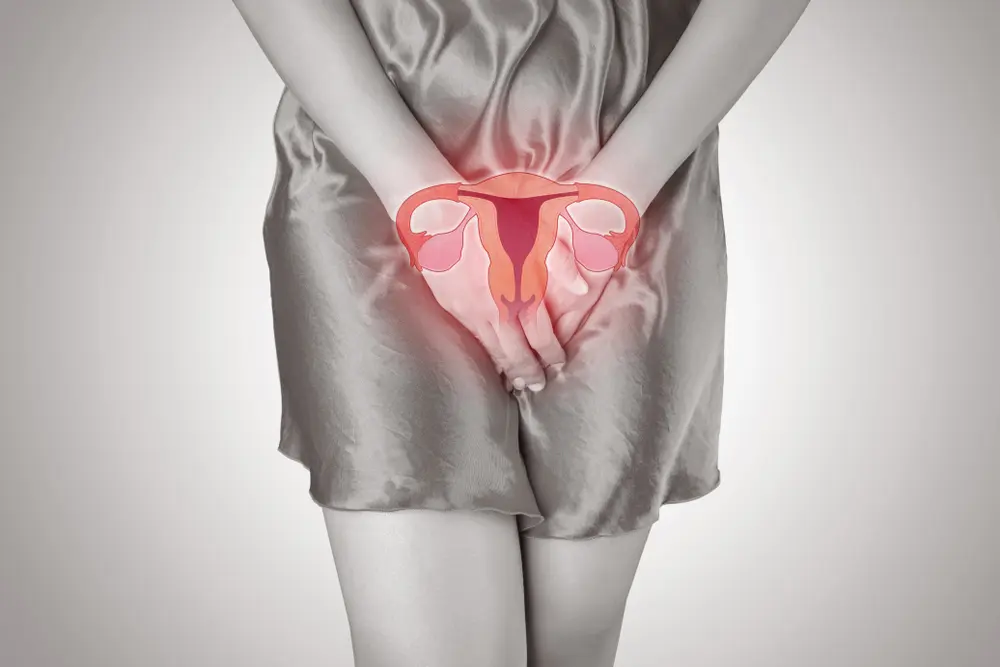
Fibroid degeneration is not the same as cancerous transformation. Uterine fibroids are generally benign growths, and degeneration is a change in the tissue rather than an indication that the fibroid has become malignant. The condition may develop in fibroids of different sizes, although larger fibroids may be more susceptible to certain types of degenerative changes.
The exact reason a particular fibroid undergoes degeneration can vary. However, the process generally involves an imbalance between the blood supply available to the fibroid and its nutritional requirements. Several factors may contribute to this process.
As a fibroid grows, its blood supply may not always keep up with the demands of the tissue. Reduced circulation can lead to tissue breakdown and degeneration.
During pregnancy, hormonal changes and changes in the uterus can influence fibroid size and blood circulation. Some fibroids may grow, while others may remain stable or decrease in size. A fibroid may undergo degeneration during pregnancy, sometimes causing significant abdominal or pelvic pain. This is often referred to as red degeneration.
Oestrogen and progesterone influence fibroid growth. Changes in hormonal activity can affect fibroid size and behaviour, although hormonal fluctuations alone do not establish the cause of degeneration.
As fibroids develop, different areas may receive varying amounts of blood supply. This can result in changes within the tissue, including areas of reduced circulation, breakdown or fluid accumulation.
Fibroid degeneration can occur in several forms. The type depends on the changes taking place within the fibroid tissue.
Hyaline degeneration is one of the most common forms of fibroid degeneration. It occurs when normal fibroid tissue is gradually replaced by a glassy, protein-rich material. It often develops because of reduced blood supply within parts of the fibroid. In many cases, it does not cause noticeable symptoms and may be discovered during imaging or after surgery.
Cystic degeneration can develop when areas of the fibroid break down and form fluid-filled spaces. It may occur as a later stage of other degenerative changes. Depending on the size and location of the affected fibroid, women may experience pelvic discomfort or pressure, although some have no symptoms.
Red degeneration, also called carneous degeneration, involves bleeding into the fibroid tissue. It is particularly associated with pregnancy and may occur when changes in circulation affect the blood vessels supplying the fibroid. Women may experience sudden abdominal pain, tenderness and sometimes nausea or a mild fever. Although it can be painful, red degeneration does not automatically mean that the pregnancy is in danger. Medical assessment is important to confirm the diagnosis and exclude other causes of pain.
Fatty degeneration occurs when fat accumulates within areas of the fibroid tissue, usually as part of degenerative changes. It is less common and may not produce specific symptoms. Imaging or examination of the tissue may help identify this change.
Calcific degeneration involves the deposition of calcium within the fibroid. It is more commonly seen in fibroids that have been present for a long time, particularly after menopause. These fibroids may become firm or show characteristic appearances on imaging. Some cause no symptoms, while others may contribute to pelvic pressure depending on their size and location.
Symptoms depend on the type, size and location of the fibroid, as well as the extent of the degenerative changes. Common symptoms may include:
Not every woman experiences all these symptoms. Some degenerating fibroids are discovered incidentally during an ultrasound performed for another reason. It is also important to remember that sudden pelvic pain is not specific to fibroid degeneration. Conditions such as ovarian torsion, ectopic pregnancy, pelvic infection and other abdominal problems may cause similar symptoms.
Fibroid degeneration can occur during pregnancy, particularly in the second or third trimester, although it may happen at other stages as well. Red degeneration is a recognized cause of acute pain in pregnant women with uterine fibroids. The pain may be localized around the fibroid and can sometimes be accompanied by tenderness, nausea or fever. In many cases, symptoms improve with appropriate conservative treatment. However, the severity of pain and the overall condition of the mother and baby need to be assessed. Depending on the clinical situation, the doctor may monitor:
Fibroids themselves may be associated with certain pregnancy complications, depending on their size and location. However, fibroid degeneration does not automatically result in miscarriage, preterm birth or harm to the baby. Any sudden or severe abdominal pain during pregnancy requires prompt medical assessment rather than assuming it is caused by a known fibroid.
Diagnosis usually involves reviewing symptoms, performing a clinical assessment and using imaging investigations.
The doctor may ask when the pain started, where it is located and whether it is associated with fever, nausea, vaginal bleeding or pregnancy. A pelvic examination may also be performed when appropriate to assess tenderness and identify other possible concerns.
Pelvic ultrasound is commonly used to identify uterine fibroids and assess their size, number and location. A degenerating fibroid may show changes in its internal appearance, including areas that look less uniform or contain fluid. Doppler ultrasound may also provide information about blood flow. However, ultrasound findings are not always specific enough to confirm the exact type of degeneration.
MRI may be recommended when ultrasound findings are unclear or more detailed assessment is needed. It can provide information about the fibroid’s internal structure, location and degenerative changes. MRI may be particularly useful when the diagnosis remains uncertain or when treatment planning requires additional detail.
Blood tests may be recommended depending on the symptoms. These can help assess inflammation, infection or blood loss and assist in excluding other possible causes of pain. The choice of investigations depends on the woman’s condition, pregnancy status and clinical findings.
Treatment depends on the severity of symptoms, the type of degeneration, pregnancy status and the woman’s overall health. Many cases can be managed without surgery, particularly when the diagnosis is clear and symptoms begin to improve.
Pain relief is often the main part of treatment. The doctor may recommend suitable medication based on the woman’s medical history and whether she is pregnant. During pregnancy, medication choices require particular care. Some painkillers, including certain anti-inflammatory medicines, may not be suitable at specific stages of pregnancy. Medication should therefore be taken only according to medical advice.
Temporary rest and supportive care may help women manage discomfort while symptoms settle. Adequate hydration and avoiding activities that worsen pain may also be advised. However, prolonged bed rest is not routinely necessary unless there is another medical reason.
Follow-up appointments and ultrasound scans may be recommended to assess changes in the fibroid and ensure that symptoms are improving. For pregnant women, monitoring may also include assessment of the pregnancy and any associated concerns.
Surgery is not usually required solely because a fibroid has undergone degeneration. However, surgical treatment may be considered when symptoms remain severe, complications develop or the diagnosis is uncertain. Myomectomy, which involves removing fibroids while preserving the uterus, may be an option in selected cases.
During pregnancy, surgery is generally avoided unless there is a compelling medical reason because of the potential risks to both the mother and pregnancy. The decision must be individualised and made after careful specialist assessment.
The duration of pain varies depending on the type and severity of degeneration. In many cases, acute pain gradually improves over several days with appropriate treatment. Some women may experience discomfort for a longer period, particularly when the fibroid is large or the degenerative changes are more extensive. The recovery period may depend on:
If pain becomes worse, does not improve or is accompanied by new symptoms, further medical assessment is important.
Sudden pelvic pain should not automatically be attributed to fibroids, even if you have previously been diagnosed with them. Seek prompt medical attention if you experience:
These symptoms may indicate fibroid degeneration or another condition requiring urgent care. A proper assessment helps identify the cause and determine the safest treatment.
If you have uterine fibroids and develop new pelvic pain, persistent discomfort or changes in your menstrual symptoms, a gynecological evaluation can help determine whether the fibroids are responsible. Dr. Namrata Jadhav has more than 11 years of post-DNB experience and provides personalised gynecological assessment and guidance. Women looking for the best gynecologist in Dubai can discuss fibroid-related symptoms, pregnancy concerns and suitable management options with her. An individualised assessment is important because not every fibroid needs treatment. The decision depends on its size, location, symptoms, reproductive plans and any associated complications.
If you have been diagnosed with uterine fibroids or are experiencing sudden pelvic pain, arrange a consultation to understand the possible cause and appropriate next steps.
Hyaline degeneration is generally considered the most common type. It involves the replacement of normal fibroid tissue with a glassy, protein-rich material and often causes no noticeable symptoms.
Yes. Fibroid degeneration, particularly red degeneration, can cause sudden and sometimes severe pelvic or abdominal pain. However, other conditions can cause similar symptoms, so medical assessment is important.
Degenerative changes can alter the internal structure of a fibroid. Some fibroids may become smaller over time, but degeneration does not guarantee that the entire fibroid will disappear. Follow-up assessment can help determine how it is changing.
No. Fibroid degeneration is a process involving changes within a generally benign uterine growth. It does not mean that the fibroid has become cancerous. However, an unusual or uncertain uterine mass requires appropriate medical evaluation.
Yes. Fibroid degeneration can occur in women who are not pregnant. Although red degeneration is particularly associated with pregnancy, other types of degeneration may develop at different stages of life.
Fibroid degeneration itself is not generally considered a direct cause of infertility. However, the underlying fibroid may affect fertility depending on its size and location, particularly if it changes the shape of the uterine cavity.
No. Most cases are managed conservatively with appropriate pain relief, supportive care and monitoring. Surgery is considered only in selected situations where symptoms, complications or diagnostic uncertainty make it necessary.
Fibroid degeneration occurs when changes in blood supply cause tissue changes within a uterine fibroid. It can lead to sudden pelvic pain, tenderness and other symptoms, particularly in cases of red degeneration during pregnancy. Although the condition often improves with conservative management, sudden or severe pain should always be assessed to exclude other causes. Understanding the type of degeneration, monitoring symptoms and following appropriate medical advice can help ensure safe and individualised care.