
Discovering unusual bumps or growths around the genital area can be worrying for any woman. While there are several possible causes, one of the most common is genital warts, a condition caused by certain types of the human papillomavirus (HPV). Although genital warts are not usually life threatening, they can affect physical comfort, emotional wellbeing, intimate relationships, and self confidence. Fortunately, with timely medical evaluation and appropriate genital warts treatment, most women can successfully manage the condition and reduce the risk of recurrence.
Many women delay seeking medical advice because they feel embarrassed or assume the growths will disappear on their own. However, early diagnosis is important not only for symptom relief but also for identifying the most suitable treatment approach and ruling out other conditions that may appear similar.
This article explains everything you need to know about genital warts treatment in Dubai, including the causes, symptoms, diagnosis, available treatment options, preventive measures, and when it is important to consult a gynecologist.
Genital warts are soft, skin colored growths that develop on or around the genital and anal areas. They are caused by low risk strains of the human papillomavirus, most commonly HPV types 6 and 11. These strains are different from the high risk HPV types that are associated with cervical cancer.
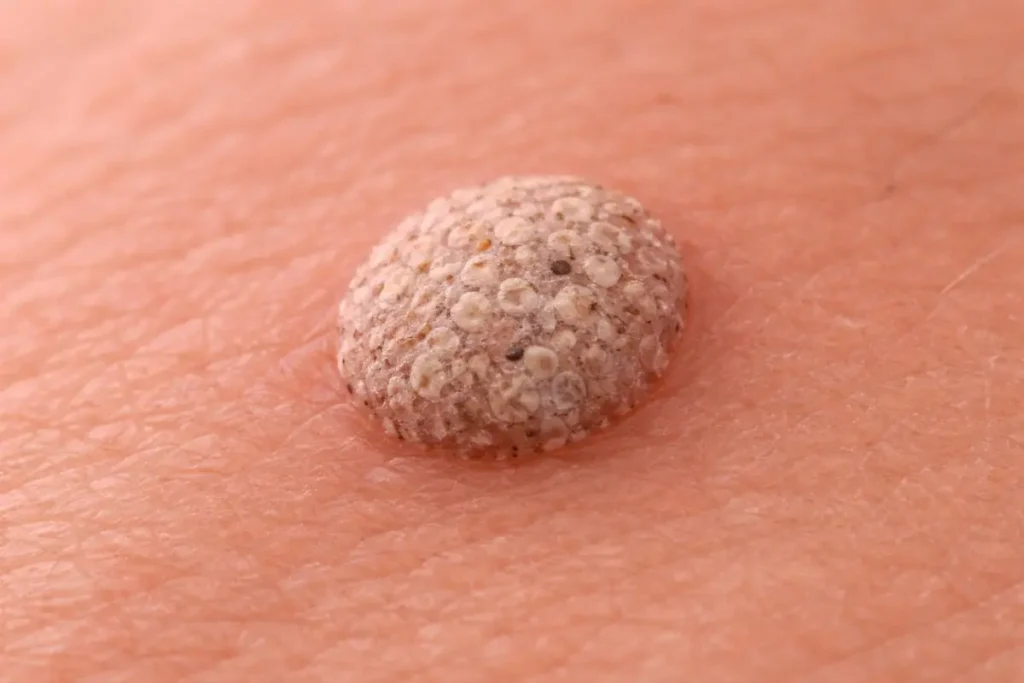
The appearance of genital warts varies from one woman to another. Some may develop a single small wart, while others experience multiple clustered growths that resemble tiny cauliflower like bumps. In certain cases, the warts are so small that they are difficult to notice without a medical examination.
Although genital warts are generally benign, they should never be ignored. Proper diagnosis helps ensure appropriate treatment and provides an opportunity to discuss HPV prevention and long term reproductive health.
The primary cause of genital warts is infection with specific strains of HPV. The virus spreads mainly through intimate skin to skin contact, including vaginal, anal, or oral sexual activity. Several factors may increase the likelihood of developing genital warts, including:
It is important to remember that HPV infection is extremely common. Many people carry the virus without developing visible symptoms, which means transmission can occur even when no warts are present.
Some women experience no symptoms at all, while others notice changes that prompt them to seek medical attention. Common symptoms include:
Because these symptoms can resemble other skin conditions or infections, self diagnosis is not recommended. An examination by a qualified gynecologist is the safest way to determine the exact cause.
Many women wonder whether genital warts will disappear without treatment. While the body’s immune system may clear HPV over time in some individuals, visible warts can persist, increase in number, or return after they appear to resolve.
Seeking genital warts treatment early offers several benefits. It helps reduce discomfort, removes visible lesions, lowers the risk of spreading the virus to a partner, and improves confidence and quality of life. Early treatment also allows your gynecologist to evaluate whether additional investigations or cervical screening are appropriate.
Prompt medical care is especially important if the growths are increasing in size, causing pain, interfering with daily activities, or occurring during pregnancy.
Diagnosing genital warts usually begins with a detailed medical history and physical examination. Your gynecologist may recommend:
Most genital warts can be identified through careful visual inspection of the affected area.
If internal genital warts are suspected, a pelvic examination may be performed to evaluate the vagina and cervix.
Depending on your age, medical history, and screening schedule, your doctor may recommend a Pap smear or HPV testing to assess cervical health.
A biopsy is not routinely required but may be advised if a lesion has an unusual appearance or if there is uncertainty about the diagnosis. Accurate diagnosis is essential because other skin conditions may closely resemble genital warts.
There is no single treatment that is suitable for every patient. The most appropriate genital warts treatment in Dubai depends on the size, number, location, and severity of the lesions, along with the patient’s overall health and preferences.
Certain topical medications may be prescribed to gradually remove genital warts. These treatments should only be used under medical supervision because incorrect use may irritate healthy skin.
Cryotherapy involves freezing the wart tissue using extremely cold temperatures. It is a commonly used treatment that may require more than one session depending on the size and number of warts.
In some situations, electrical energy may be used to remove larger or persistent warts with precision.
Surgical excision may be recommended for extensive growths or lesions that do not respond to other treatment methods.
Laser therapy can be considered for selected patients, particularly when warts are difficult to access or resistant to conventional treatments. Your gynecologist will recommend the most appropriate approach after carefully evaluating your condition.
One of the most common questions women ask is whether genital warts can return after treatment. Although treatment removes visible warts, it does not completely eliminate HPV from the body. In some individuals, the virus becomes inactive and never causes further problems. In others, recurrence may occur, particularly during the first few months after treatment.
Maintaining a healthy immune system, attending follow up appointments, and seeking medical advice if new lesions appear can help with long term management.
While not every case can be prevented, several measures can significantly reduce the risk of HPV infection and genital warts. Helpful preventive strategies include:
Preventive care remains one of the most effective ways to protect long term reproductive health.
You should arrange a consultation if you notice:
Early evaluation allows timely diagnosis and helps ensure that appropriate genital warts treatment is started without unnecessary delay.
Women diagnosed with genital warts often have concerns that extend beyond the physical symptoms. Questions about HPV, recurrence, future pregnancies, cervical health, and treatment options are common. Dr. Namrata Jadhav believes that every woman deserves clear information, compassionate guidance, and individualized care throughout the treatment process.
She carefully evaluates each patient’s symptoms, performs a thorough examination, and recommends evidence based genital warts treatment tailored to the patient’s needs. In addition to treating visible lesions, she emphasizes preventive women’s healthcare, cervical screening, HPV awareness, and regular follow up to support long term reproductive health.
By creating a respectful and confidential environment, Dr. Namrata helps women feel comfortable discussing sensitive concerns while making informed decisions about their health.
Sensitive gynecological concerns require expert medical attention and a doctor who understands both the physical and emotional aspects of women’s health. If you are searching for the best female gynecologist in Dubai, choosing a specialist who provides accurate diagnosis, personalized treatment, and ongoing support is essential.
Dr. Namrata Jadhav is committed to delivering comprehensive gynecological care with a patient centered approach. Whether you require genital warts treatment, cervical health evaluation, preventive screening, or management of other gynecological conditions, she focuses on helping every woman receive safe, evidence based, and compassionate care.
Genital warts are a common condition caused by certain types of HPV, but they should never be a source of embarrassment or fear. With early diagnosis and appropriate genital warts treatment, most women experience excellent outcomes and can confidently manage their reproductive health.
Recognizing the symptoms, seeking timely medical advice, and following the recommended treatment plan are the best ways to reduce complications and improve quality of life. If you notice any unusual growths or changes in the genital area, consult an experienced gynecologist for a proper evaluation. Early care not only addresses the current condition but also supports your long term health and wellbeing.