Asherman’s syndrome is a condition in which scar tissue, known as intrauterine adhesions, develops inside the uterus. These adhesions can cause the walls of the uterine cavity to stick together, reducing the space available for the normal uterine lining to develop. The uterus has an inner lining called the endometrium, which changes throughout the menstrual cycle and plays an important role in pregnancy. When scar tissue forms in the uterine cavity, it may interfere with normal menstruation and, in some cases, make it more difficult to conceive or carry a pregnancy. The severity of Asherman’s syndrome varies. Some women develop small areas of scar tissue and experience few symptoms, while others have extensive adhesions that significantly affect menstrual flow and reproductive health.
The condition is often associated with procedures involving the uterus, particularly those performed after a miscarriage, childbirth, or pregnancy termination. However, it does not develop in every woman who undergoes these procedures. Recognizing the symptoms and obtaining an appropriate diagnosis can help determine whether treatment is needed and what options may be suitable.
Asherman’s syndrome usually develops when the endometrium is injured and scar tissue forms during the healing process. Several circumstances may contribute to this damage.
One of the most recognized causes is dilation and curettage (D&C), a procedure that may be performed to remove tissue from the uterus after a miscarriage, pregnancy loss, or incomplete pregnancy. The risk of developing intrauterine adhesions can increase when the procedure damages the deeper layers of the uterine lining. However, most women who undergo a D&C do not necessarily develop Asherman’s syndrome.
Some women develop intrauterine adhesions after procedures to remove retained placental tissue following childbirth. The risk may be influenced by the extent of uterine injury, the procedure performed, and other clinical factors. If your menstrual periods become unusually light or stop after a pregnancy-related procedure, it is worth discussing the change with a gynaecologist.
Certain operations involving the uterine cavity may contribute to adhesion formation. The likelihood depends on the type of surgery, the extent of tissue injury, and the healing process. A history of uterine surgery does not automatically mean that scar tissue has developed. Further assessment is generally guided by symptoms and reproductive history.
Infections involving the uterus can sometimes damage the endometrium and contribute to scarring. Certain infections, including genital tuberculosis in regions where it is prevalent, can also cause intrauterine adhesions. If an infection is suspected, the doctor may recommend appropriate investigations and treatment based on the clinical findings.
Yes, although uterine procedures and pregnancy-related interventions are important risk factors. In some cases, adhesions may be associated with infection or other forms of endometrial injury. Sometimes, the exact cause remains unclear. A detailed medical history helps the doctor understand possible contributing factors and decide which investigations are appropriate.
The symptoms depend on the location and severity of the adhesions. Some women have no obvious symptoms, and the condition is discovered during an investigation for infertility or recurrent pregnancy loss.
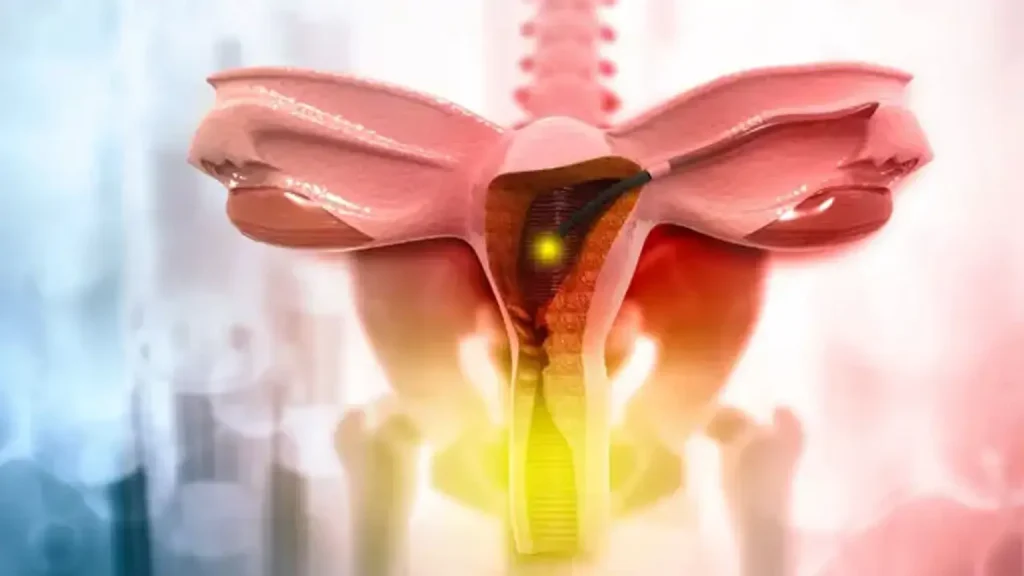
Common symptoms may include the following.
Lighter menstrual periods: Menstrual bleeding may become noticeably lighter than before, particularly after a uterine procedure. Some women experience only occasional spotting.
Absent periods: Menstruation may stop completely when adhesions significantly affect the uterine cavity or interfere with the normal shedding of the endometrium.
Cyclical pelvic pain: If menstrual blood cannot flow out normally because of obstruction, some women may experience recurring pelvic pain around the time their period is expected.
Difficulty conceiving: Intrauterine adhesions can affect the uterine environment and interfere with implantation, depending on their extent and location.
Recurrent pregnancy loss: Some women with significant adhesions experience repeated pregnancy losses. However, miscarriage has many possible causes, and adhesions should not be assumed to be responsible without proper evaluation.
These symptoms are not exclusive to Asherman’s syndrome. Hormonal disorders, changes in ovarian function, other uterine conditions, and pregnancy-related complications can cause similar problems. If your periods become unusually light or stop after a uterine procedure, a gynaecological assessment can help identify the cause.
Asherman’s syndrome can affect fertility because the endometrium plays an essential role in supporting implantation and early pregnancy. When scar tissue occupies part of the uterine cavity, it may reduce the healthy surface available for an embryo to implant. More extensive adhesions can also distort the uterine cavity or affect the normal development of the endometrial lining.
The possible effects depend on several factors, including:
Not every woman with intrauterine adhesions experiences infertility. Mild adhesions may have limited effects, while more extensive scarring can create greater challenges. A fertility assessment may include an evaluation of ovulation, ovarian reserve when appropriate, fallopian tube function, sperm health, and the uterine cavity. This broader approach helps avoid attributing all fertility difficulties to a single finding. If you are trying to conceive and have a history of uterine procedures, previous pregnancy losses, or unexplained changes in menstruation, discussing these details with a gynaecologist may help guide the next steps.
Yes, significant intrauterine adhesions may affect pregnancy, although the outcome varies between individuals. Depending on the severity of the condition, possible concerns include difficulty achieving implantation, miscarriage, and complications related to placental attachment. Some women may also have an increased risk of preterm birth or other obstetric complications. However, these outcomes are not inevitable. The risk depends on the extent of the adhesions, the condition of the endometrium, the success of treatment when needed, and other maternal and pregnancy-related factors.
Women who become pregnant after treatment for Asherman’s syndrome may need individualised antenatal care. The appropriate monitoring plan depends on the severity of the original condition and the woman’s obstetric history. If you have previously been diagnosed with intrauterine adhesions, tell your pregnancy care provider before or early in pregnancy so that your medical history can be considered when planning care.
Diagnosis involves reviewing your symptoms, medical history, and the structure of the uterine cavity. The doctor may recommend one or more investigations.
Hysteroscopy is considered the key diagnostic method for assessing intrauterine adhesions. A thin instrument with a camera is passed through the cervix to allow the doctor to examine the uterine cavity directly. This examination can help identify the location and extent of scar tissue. In appropriate cases, treatment may also be performed during hysteroscopy.
Saline infusion sonography involves introducing sterile saline into the uterine cavity while performing an ultrasound. The fluid helps outline the cavity and may reveal adhesions or other abnormalities that are difficult to assess on a routine scan.
Hysterosalpingography (HSG) is an imaging test that uses contrast material and X-rays to examine the uterine cavity and fallopian tubes. It may show abnormalities suggestive of intrauterine adhesions, although further evaluation may be needed.
A transvaginal ultrasound can provide information about the uterus and endometrial lining. However, a routine ultrasound may not reliably identify all intrauterine adhesions. The choice of investigation depends on the symptoms, previous medical procedures, fertility goals, and initial findings. Not every woman needs every test.
Treatment depends on the severity of the adhesions, the symptoms they cause, and whether the woman wishes to become pregnant.
The main treatment for significant intrauterine adhesions is hysteroscopic adhesiolysis. During this procedure, a specialist uses instruments under direct visual guidance to divide or remove the scar tissue and restore the shape of the uterine cavity where possible. The aim is to separate the adhesions while protecting the remaining healthy endometrium. The procedure requires careful technique because further injury to the uterine lining can lead to additional scarring. The expected benefits depend on the severity and location of the adhesions. More extensive disease can be challenging to treat, and complete restoration of the uterine cavity may not always be possible.
Intrauterine adhesions can recur after treatment, particularly when the original scarring is extensive. Depending on the circumstances, a specialist may consider measures to reduce the risk of reformation. These may include selected barrier methods, hormonal treatment, or planned follow-up examinations. The appropriate approach varies, and no single method is suitable for every patient. A follow-up hysteroscopy or other assessment may be recommended to check whether adhesions have returned and whether the uterine cavity has healed appropriately.
Oestrogen may sometimes be prescribed after treatment to support endometrial growth. However, the evidence for specific treatment protocols varies, and hormonal medication does not directly remove established scar tissue. Treatment should be selected by a qualified clinician based on the patient’s findings, medical history, and reproductive goals.
Some women may conceive after successful treatment, while others continue to experience fertility challenges. The likelihood of pregnancy depends on factors such as the severity of the adhesions, the remaining healthy endometrium, age, and other fertility considerations. If pregnancy does not occur after treatment, further fertility assessment may help identify additional factors and determine whether specialist reproductive support is appropriate. It is important to understand that treatment can improve the uterine cavity in some cases, but it cannot guarantee conception or a successful pregnancy.
Consider arranging a gynaecological consultation if you experience any of the following:
Early assessment may help identify the underlying problem and determine whether treatment is necessary. If you develop severe pelvic pain, fever, or unusual discharge following a uterine procedure, seek prompt medical assessment, as these symptoms may indicate an infection or another complication.
Treatment can successfully separate adhesions and restore the uterine cavity in some women. However, adhesions can return, especially when scarring is extensive. The outcome depends on the severity of the condition and the response to treatment.
Natural pregnancy may be possible, particularly when adhesions are mild. More extensive scarring can interfere with implantation or pregnancy. A specialist can assess the uterine cavity and discuss treatment options based on your circumstances.
No. Some women continue to have menstrual periods, although the bleeding may become lighter. Others experience absent periods. Symptoms depend on how much of the uterine cavity is affected and whether menstrual flow is obstructed.
Yes. Recurrence is possible, particularly in moderate or severe cases. Follow-up assessment may be recommended to check healing and identify any new adhesions.
No. A thin endometrium refers to a lining that measures thinner than expected in a particular clinical context. Asherman’s syndrome involves scar tissue inside the uterine cavity. Adhesions can contribute to a thin or poorly developing lining, but the two findings are not interchangeable.
Changes in menstrual bleeding or difficulty conceiving after a uterine procedure can be worrying. However, these symptoms do not automatically mean that you have Asherman’s syndrome. An accurate diagnosis is important because several conditions can cause similar changes. Dr. Namrata Jadhav, the best female gynecologist in Dubai with more than 11 years of post-DNB experience, provides personalised gynaecological assessment and guidance based on each woman’s symptoms, medical history, and reproductive goals.
If you have been diagnosed with intrauterine adhesions or are concerned about changes in your menstrual cycle, a consultation can help clarify the findings and determine whether further investigation is needed. Women searching for the best gynecologist in Dubai or the best female gynecologist in Dubai should prioritise evidence-based advice, clear communication, and care tailored to their individual needs.
Asherman’s syndrome is a condition in which scar tissue develops inside the uterine cavity, potentially affecting menstruation, fertility, and pregnancy. It is often associated with procedures involving the uterus, particularly following pregnancy-related complications. The symptoms and effects vary considerably, and not every woman with intrauterine adhesions experiences infertility. Hysteroscopy can help confirm the diagnosis and may allow treatment when appropriate.
If you notice significant changes in your periods or have fertility concerns after a uterine procedure, seek a gynaecological assessment. Understanding the cause of your symptoms is the first step towards making informed decisions about your reproductive health.