
A cervical polyp is a small growth that develops on the cervix, the lower part of the uterus that opens into the vagina. These growths usually form from the tissue lining the cervical canal or the outer surface of the cervix. Cervical polyps are generally benign, meaning they are not cancerous. They can vary in size and may appear as a small, soft growth attached to the cervix by a narrow stalk. Some women have a single polyp, while others may develop more than one.
Many cervical polyps do not cause noticeable symptoms and are discovered during a routine pelvic examination. However, some can lead to unexpected vaginal bleeding, spotting after sexual intercourse, or changes in vaginal discharge. Although most cervical polyps are harmless, unusual bleeding should not automatically be attributed to a polyp. A best female gynecologist in Dubai can assess the growth, determine whether removal is appropriate, and recommend further testing when necessary.
The symptoms of a cervical polyp depend on its size, location, and whether it becomes irritated. Many women experience no symptoms at all, while others notice changes in their usual bleeding pattern. Recognizing common cervical polyp symptoms can help you understand when a gynecological assessment may be useful.
Unexpected spotting between menstrual periods is one possible symptom. A polyp contains delicate blood vessels that may bleed when the growth becomes irritated. Bleeding between periods can also occur for many other reasons, including hormonal changes, infections, contraceptive use, and other cervical or uterine conditions. An examination can help identify the cause.
Some women notice light bleeding or spotting after sex. This can happen when a cervical polyp is touched or irritated during intercourse. However, bleeding after sex should not always be assumed to result from a benign growth. Cervical inflammation, infections, and other cervical changes can produce similar symptoms and may require investigation.
A cervical polyp may sometimes be associated with heavier or irregular menstrual bleeding. However, heavy periods are not specific to cervical polyps and can also be caused by uterine fibroids, hormonal disturbances, adenomyosis, and other conditions. If your periods become noticeably heavier, last longer than usual, or interfere with daily activities, consult a gynecologist.
Some women experience an increase in vaginal discharge. The discharge may be clear or whitish, although irritation or infection can change its appearance. Foul-smelling discharge, especially when accompanied by pelvic discomfort, itching, or fever, should be evaluated rather than automatically attributed to a polyp.
Many cervical polyps are discovered during routine cervical screening or a pelvic examination performed for another reason. A lack of symptoms does not necessarily mean that a growth has been fully assessed. If a clinician identifies a cervical polyp, they can advise whether monitoring, removal, or further investigation is appropriate.
The exact cause of a cervical polyp is not always clear. Researchers believe several factors may contribute to their development, but an individual case may not have one identifiable cause.
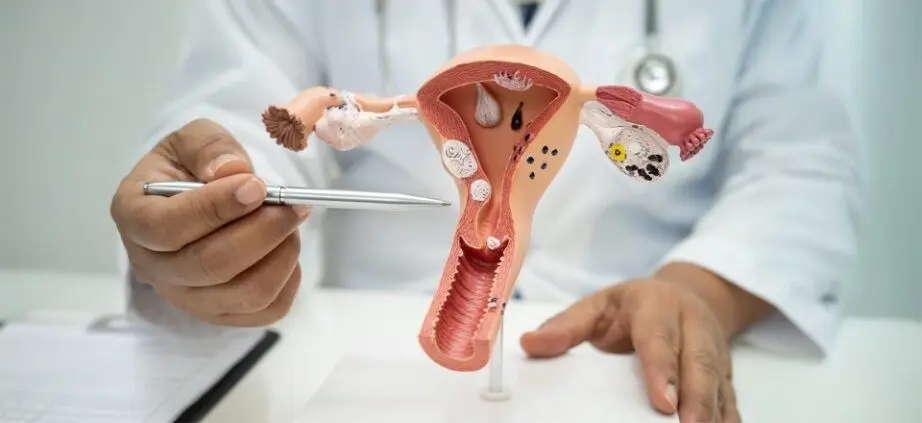
Ongoing irritation or inflammation of the cervix may contribute to polyp formation in some women. Inflammation can occur for several reasons, including cervical infections or other local changes.
However, not every cervical polyp is caused by an infection, and the presence of a polyp does not automatically indicate a sexually transmitted infection.
Estrogen and other hormonal factors may play a role in the development of some cervical polyps. The cervix responds to hormonal changes throughout a woman’s reproductive years, but the precise relationship between hormones and polyp formation is not fully understood.
Cervical polyps contain blood vessels, and changes in local blood supply may contribute to their growth. These delicate vessels can also explain why a polyp sometimes bleeds after contact.
Changes in the cervical lining may contribute to the development of a polyp. In many cases, however, there is no clear explanation for why one woman develops a polyp while another does not. Cervical polyps are not generally considered a result of poor personal hygiene. They can develop even when a woman follows appropriate personal care practices.
A gynecologist can often identify a cervical polyp during a routine pelvic examination using a speculum to view the cervix. The clinician may ask about your menstrual cycle, unexpected bleeding, discharge, contraceptive use, pregnancy possibility, and any previous cervical screening results. These details help determine whether the polyp is likely to explain your symptoms or whether another condition should be investigated.
Depending on your symptoms and medical history, further tests may include:
Most cervical polyps are benign, but examining removed tissue helps ensure that an unusual growth is not overlooked.
The appropriate cervical polyp treatment depends on the growth’s appearance, size, symptoms, and clinical findings. Some small, symptom-free polyps may be monitored, while others are removed to address bleeding, obtain a tissue diagnosis, or relieve discomfort.
If a polyp is small, has a typical benign appearance, and is not causing symptoms, a gynecologist may recommend observation in selected cases. The decision should be made after an appropriate examination. Monitoring does not mean ignoring new symptoms. Any change in bleeding or discharge should be reported.
Removal is a common treatment, especially when a polyp causes bleeding, appears unusual, or needs laboratory assessment. A small polyp with a narrow stalk can often be removed during an outpatient gynecological visit. The clinician uses suitable instruments to grasp and remove the growth. The procedure is usually brief, although the exact approach depends on the polyp’s size and attachment. Some women experience mild cramping or light spotting afterward. The clinician will explain what to expect and provide aftercare instructions.
A larger polyp, a growth with a broad attachment, or a lesion that appears to originate higher inside the cervical canal may require a different approach. In such cases, the clinician may recommend removal using specialized instruments or further investigation to identify the growth’s origin. If the source of bleeding may be inside the uterus, additional assessment may also be needed.
If an infection or another condition is identified, it may require separate treatment. Removing a polyp will not necessarily resolve bleeding caused by an unrelated hormonal, cervical, or uterine problem. This is why an individualized assessment is important before deciding on treatment.
Recovery after removal of a small cervical polyp is generally straightforward, but individual experiences vary. You may notice mild cramping, light spotting, or a small amount of discharge for a short time. Follow the specific aftercare instructions provided by your clinician, including advice about sexual activity, tampons, and other activities while the area heals.
Contact your healthcare professional if bleeding becomes heavy, pain worsens, discharge develops an unpleasant smell, or you develop a fever. If the tissue was sent for testing, ask when and how you will receive the results. The clinician can explain the findings and whether any further assessment is necessary. A polyp can occasionally return after removal. If bleeding or other symptoms recur, arrange another examination rather than assuming that the original polyp has returned.
Most small cervical polyps do not prevent pregnancy. However, larger growths or those associated with bleeding, inflammation, or other cervical problems may need individual assessment. The effect on fertility depends on the polyp’s location, size, symptoms, and any other underlying condition. It is not accurate to assume that every cervical polyp causes infertility.
If you are trying to conceive, discuss the finding with your gynecologist before deciding whether removal is necessary. Treatment decisions during pregnancy also require individual consideration, since the benefits of removing a polyp must be weighed against potential risks. A cervical polyp identified during pregnancy should be assessed by an obstetrician or gynecologist. Do not attempt to remove or manipulate it yourself.
Arrange a gynecological consultation if you experience:
Seek urgent medical advice if you have very heavy bleeding, severe pelvic pain, faintness, or bleeding during pregnancy accompanied by concerning symptoms. These symptoms can have several causes, so professional assessment is important even when a cervical polyp has already been identified.
Unexpected bleeding or a finding during a routine examination can understandably cause concern. A gynecological assessment can help clarify what the growth is, whether it needs removal, and whether other tests are necessary.
Dr. Namrata Jadhav provides gynecological care in Dubai, with an approach that considers each patient’s symptoms, medical history, and individual needs. If you have noticed possible cervical polyp symptoms or have been told that you have a cervical polyp, a consultation can help you understand the diagnosis and available management options.
If you are searching for the best gynecologist in Dubai or the best female gynecologist in Dubai for guidance on cervical health, look for a specialist who explains findings clearly, discusses appropriate testing, and recommends treatment based on your circumstances. You do not need to wait for symptoms to become severe before seeking advice. Early assessment can help identify the cause of unusual bleeding and determine the next steps.
Most cervical polyps are benign. Cancerous changes in a cervical polyp are uncommon, but a clinician may recommend removing the growth and sending it for laboratory examination to confirm the diagnosis.
Some small polyps may shrink or detach spontaneously, but this cannot be predicted reliably. A visible cervical polyp should be assessed to determine whether observation or removal is appropriate.
Removal of a small cervical polyp is often performed during an outpatient visit and may cause mild discomfort or cramping. The experience varies depending on the polyp’s size, attachment, and the technique used.
Yes. A polyp may bleed when it is touched during intercourse because its surface contains delicate blood vessels. However, bleeding after sex can also have other causes and should be evaluated if it occurs.
Antibiotics are not routinely needed for an uncomplicated cervical polyp. They may be prescribed if a separate bacterial infection is diagnosed or suspected and treatment is clinically indicated.
Yes, recurrence is possible, although many women do not develop another polyp. If symptoms return after removal, a follow-up examination can help identify the cause.
A cervical polyp is usually a benign growth on the cervix that may cause spotting, bleeding after intercourse, or changes in vaginal discharge. Many women have no symptoms, and the growth is discovered during a routine examination. Recognizing cervical polyp symptoms and arranging an appropriate assessment can help establish the diagnosis and determine whether monitoring or removal is needed. Although most polyps are harmless, unexpected bleeding should not be ignored or automatically attributed to a polyp. If you notice unusual bleeding, persistent discharge, or a growth identified during an examination, consult a gynecologist for personalized guidance and appropriate follow-up.