
When a woman experiences abnormal uterine bleeding, recurrent miscarriages, infertility, or persistent pelvic symptoms, identifying the underlying cause is the first step toward effective treatment. While ultrasound and other imaging tests provide valuable information, they may not always reveal every condition affecting the inside of the uterus. In these situations, hysteroscopy has become one of the most valuable diagnostic and treatment procedures in modern gynecology.
Unlike traditional surgical procedures, hysteroscopy allows a gynecologist to examine the uterine cavity directly using a thin camera inserted through the cervix. This minimally invasive technique provides a clear view of the uterus without requiring abdominal incisions, making it an effective option for diagnosing and treating a variety of gynecological conditions.
Whether you are planning a pregnancy, investigating unexplained bleeding, or looking for answers after recurrent pregnancy loss, understanding hysteroscopy can help you feel more informed and confident about your healthcare decisions. In this guide, we explain what hysteroscopy is, why it is recommended, how the procedure is performed, and what you can expect before, during, and after treatment.
Hysteroscopy is a minimally invasive gynecological procedure used to examine the inside of the uterus. It involves passing a slender instrument called a hysteroscope through the vagina and cervix into the uterine cavity. The hysteroscope contains a small camera and light source that allow the gynecologist to view the uterine lining on a monitor in real time.
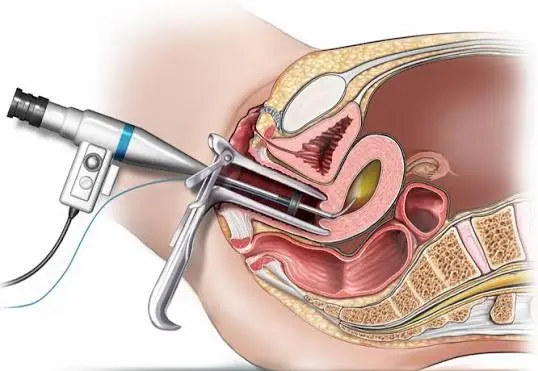
Because the procedure provides direct visualization of the uterine cavity, it is often more accurate than imaging studies alone for diagnosing certain conditions. In many cases, hysteroscopy can also be used to treat abnormalities during the same procedure, reducing the need for more invasive surgery. The procedure is commonly performed as a day-care treatment, allowing most women to return home the same day.
A gynecologist may recommend hysteroscopy for both diagnostic and therapeutic reasons. It is particularly useful when symptoms suggest that a problem exists inside the uterus but cannot be confirmed through routine examinations. Common reasons for hysteroscopy include:
By allowing direct visualization of the uterine cavity, hysteroscopy helps identify conditions that might otherwise remain undiagnosed.
Although the same instrument is used, hysteroscopy can serve two different purposes depending on the patient’s needs.
Diagnostic hysteroscopy is performed to examine the uterine cavity and determine the cause of symptoms. It helps confirm or rule out structural abnormalities affecting the uterus. The procedure may identify polyps, fibroids, scar tissue, congenital uterine abnormalities, or abnormalities of the endometrium.
Operative hysteroscopy goes a step further by treating abnormalities during the same procedure. Using specialized instruments inserted through the hysteroscope, the gynecologist may remove polyps, divide a uterine septum, remove scar tissue, or excise selected fibroids without making external incisions. This combined diagnostic and therapeutic approach often shortens recovery and avoids additional surgical procedures.
One of the greatest advantages of hysteroscopy is its ability to accurately diagnose a wide range of uterine conditions. These include:
Small growths within the uterine lining that may cause abnormal bleeding or interfere with implantation.
Fibroids projecting into the uterine cavity can contribute to heavy periods, infertility, and recurrent miscarriage.
A congenital abnormality that divides the uterine cavity and may increase the risk of pregnancy loss.
Scar tissue inside the uterus can develop after surgery, miscarriage, or infection and may affect fertility.
Thickening of the uterine lining may require further evaluation, particularly in women with abnormal bleeding.
Following miscarriage or childbirth, retained tissue may sometimes remain inside the uterus and require removal.
Preparation depends on the reason for the procedure and whether treatment will be performed during the same session. Your gynecologist may recommend:
Patients should also discuss any allergies, previous surgeries, pregnancy concerns, or existing medical conditions before the procedure.
Understanding the purpose of hysteroscopy beforehand helps reduce anxiety and ensures informed decision-making.
The procedure usually begins with the patient lying comfortably on an examination table. After appropriate anesthesia or pain management, the hysteroscope is gently passed through the cervix into the uterus.
A sterile fluid is introduced to expand the uterine cavity, allowing clear visualization of the lining. The gynecologist carefully examines the entire cavity while identifying any abnormalities.
If treatment is required, specialized instruments can be introduced through the hysteroscope to remove polyps, fibroids, scar tissue, or other abnormalities during the same procedure. Depending on the complexity of the case, hysteroscopy typically takes between 15 and 45 minutes.
One of the most common concerns women have is whether hysteroscopy is painful. The answer depends on several factors, including the type of hysteroscopy being performed and whether anesthesia is used. Many diagnostic procedures cause only mild cramping similar to menstrual pain, while operative hysteroscopy is often performed under local, regional, or general anesthesia for greater comfort.
After the procedure, some women experience mild cramping or light spotting for a day or two. These symptoms usually improve quickly and can often be managed with simple pain relief recommended by the treating gynecologist.
Recovery is generally much quicker than with traditional surgery because hysteroscopy does not involve abdominal incisions.
Most women can resume light daily activities within a day, although recovery varies depending on whether additional treatment was performed. Your gynecologist may advise you to:
Following postoperative instructions carefully helps support healing and reduces the risk of complications.
Hysteroscopy has become a preferred option in many gynecological situations because of its numerous advantages. Key benefits include:
These advantages make hysteroscopy an important tool in modern women’s healthcare.
Like any medical procedure, hysteroscopy carries some risks, although serious complications are uncommon when performed by an experienced gynecologist. Possible risks include:
Fortunately, complications are rare, and careful patient selection, proper surgical technique, and experienced clinical care contribute to excellent safety outcomes.
You should consult a gynecologist if you experience:
Early evaluation allows many uterine conditions to be diagnosed before they significantly affect reproductive health or quality of life.
Every woman deserves an accurate diagnosis before beginning treatment, particularly when dealing with abnormal bleeding, infertility, or recurrent pregnancy loss. Dr. Namrata Jadhav provides comprehensive evaluation of uterine conditions and recommends hysteroscopy when it offers the most effective way to diagnose or treat problems affecting reproductive health.
Her patient-centered approach focuses on understanding each woman’s symptoms, reviewing previous investigations, and explaining every step of the procedure in clear, reassuring language. Whether hysteroscopy is recommended to investigate infertility, remove uterine polyps, treat a uterine septum, or evaluate abnormal bleeding, patients receive individualized care based on current evidence and best clinical practices.
With extensive experience in minimally invasive gynecology, reproductive health, high-risk pregnancy care, and fertility evaluation, Dr. Namrata combines advanced clinical expertise with compassionate care, helping women feel informed and confident throughout their treatment journey.
If you are searching for a best female gynecologist in Dubai, choosing a specialist who emphasizes accurate diagnosis, patient education, and personalized treatment is essential. Every woman’s health concerns are unique, and procedures such as hysteroscopy should always be recommended based on individual symptoms and clinical findings rather than a one-size-fits-all approach.
Dr. Namrata Jadhav is committed to providing comprehensive women’s healthcare in a supportive and respectful environment. From preventive gynecology and menstrual disorders to fertility care and minimally invasive procedures like hysteroscopy, her focus is on helping patients make informed decisions while receiving evidence-based care tailored to their needs.
Hysteroscopy has transformed the diagnosis and treatment of many uterine conditions by allowing gynecologists to examine the uterine cavity directly with a minimally invasive approach. Whether used to investigate abnormal bleeding, identify fertility concerns, or treat conditions such as polyps, fibroids, or uterine adhesions, hysteroscopy offers both precision and faster recovery compared with more invasive surgical techniques.
Understanding why hysteroscopy is recommended, how the procedure is performed, and what recovery involves can help women approach treatment with greater confidence. If you have persistent gynecological symptoms or have been advised to undergo hysteroscopy, consulting an experienced gynecologist is the best way to receive an accurate diagnosis and a personalized treatment plan that supports your long-term reproductive health.