
Sudden, severe pelvic pain can be alarming, especially when it appears without warning. While many gynecological conditions develop gradually, some require immediate medical attention to prevent serious complications. Ovarian torsion is one such condition. Although it is relatively uncommon, it is considered a gynecological emergency because delaying treatment can affect the blood supply to the ovary and, in some cases, lead to permanent damage.
Many women mistake the pain of ovarian torsion for menstrual cramps, kidney stones, or digestive problems. As a result, they may postpone seeking medical care, allowing the condition to worsen. Understanding the warning signs and knowing when to consult a gynecologist can make a significant difference in preserving ovarian function and protecting future fertility.
In this guide, we explain what ovarian torsion is, why it happens, its symptoms, how it is diagnosed, available ovarian torsion treatment options in Dubai, and why prompt medical evaluation is essential.
Ovarian torsion occurs when an ovary twists around the tissues and ligaments that support it. This twisting can partially or completely block the blood vessels supplying the ovary. Without adequate blood flow, the ovarian tissue may become damaged if treatment is delayed.
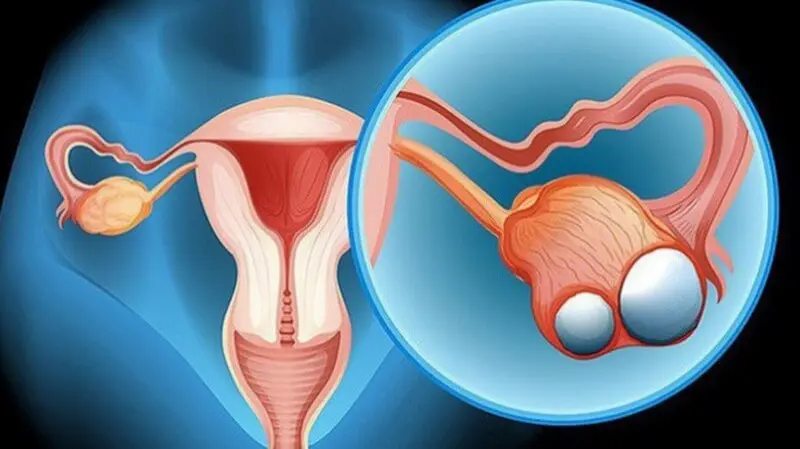
In some cases, the fallopian tube twists together with the ovary, a condition known as adnexal torsion. Regardless of the exact structure involved, the condition requires urgent medical assessment because prolonged interruption of blood flow increases the risk of tissue damage.
Ovarian torsion can affect women of all ages, including teenagers and women after menopause, although it is most commonly seen during the reproductive years.
There is no single cause of ovarian torsion, but certain factors can increase the likelihood of the ovary twisting. Common risk factors include:
Large ovarian cysts are among the most common contributing factors because they increase the size and weight of the ovary, making it more likely to rotate.
However, ovarian torsion can also occur in women without any known ovarian abnormalities, which is why sudden pelvic pain should never be ignored.
The symptoms of ovarian torsion often appear suddenly and can become severe within a short period. The most common symptom is intense pain affecting one side of the lower abdomen or pelvis. Other symptoms may include:
Some women experience intermittent twisting and untwisting of the ovary, causing pain that temporarily improves before returning. Because these symptoms can resemble other medical conditions such as appendicitis, kidney stones, or a ruptured ovarian cyst, professional evaluation is essential for an accurate diagnosis.
Unlike many gynecological conditions that can be managed over time, ovarian torsion requires immediate medical attention.
When the ovary twists, blood flow is reduced or completely blocked. If circulation is not restored promptly, the ovarian tissue may begin to lose its function. Prolonged interruption of blood supply can increase the likelihood of permanent damage and, in severe cases, removal of the affected ovary may become necessary.
Early diagnosis and treatment significantly improve the chances of preserving ovarian function. For this reason, women experiencing sudden, severe pelvic pain should seek emergency medical care rather than waiting for the symptoms to resolve on their own.
Diagnosing ovarian torsion requires a combination of medical history, physical examination, imaging studies, and clinical judgment. Because no single test can confirm every case, experienced evaluation is extremely important. Your gynecologist may recommend:
A physical examination helps assess the location and severity of pain while ruling out other possible causes.
A pelvic ultrasound, often combined with Doppler imaging, is one of the most useful investigations. It allows the doctor to evaluate the ovaries, detect cysts, assess ovarian size, and examine blood flow.
Blood investigations may be performed to exclude infection, assess inflammation, or evaluate other medical conditions that could produce similar symptoms.
Even when imaging findings are not definitive, surgery may still be recommended if ovarian torsion is strongly suspected based on the patient’s symptoms and examination.
The primary treatment for ovarian torsion is surgery. Since the condition cannot be corrected with medication alone, prompt surgical intervention is necessary to restore blood flow.
In many cases, minimally invasive laparoscopic surgery is performed. During the procedure, the surgeon gently untwists the ovary and evaluates its blood supply. If the ovarian tissue remains healthy, the ovary can often be preserved.
If an ovarian cyst is responsible for the twisting, it may also be removed during the procedure. In situations where the ovary has sustained irreversible damage, removal of the affected ovary may be necessary to protect the patient’s overall health. Fortunately, when treated early, many women recover well and retain normal ovarian function.
Many women worry about their ability to conceive after experiencing ovarian torsion. The outcome depends largely on how quickly treatment is received.
When the ovary is successfully untwisted before significant damage occurs, fertility is often preserved. Even if one ovary requires removal, many women are still able to conceive naturally because the remaining ovary continues to release healthy eggs. Prompt diagnosis remains the most important factor in protecting future reproductive health.
There is no guaranteed way to prevent ovarian torsion, particularly when it occurs unexpectedly. However, regular gynecological evaluations can help identify ovarian cysts and other conditions that may increase the risk.
Women undergoing fertility treatment or those with known ovarian cysts should attend scheduled follow up appointments and report any sudden pelvic pain immediately. Early evaluation allows appropriate monitoring and timely intervention when necessary. Being aware of the symptoms is one of the most effective ways to reduce delays in diagnosis.
Acute pelvic pain requires careful evaluation because many gynecological conditions can produce similar symptoms. Dr. Namrata Jadhav provides comprehensive assessment for women presenting with pelvic pain, ovarian cysts, and other reproductive health concerns. Her approach focuses on accurate diagnosis, timely investigation, and individualized treatment recommendations based on each patient’s clinical condition.
Whether the concern is suspected ovarian torsion, persistent ovarian cysts, fertility related issues, or other gynecological disorders, Dr. Namrata ensures that patients understand their diagnosis and treatment options before making informed decisions. Her experience in minimally invasive gynecology and women’s healthcare allows patients to receive evidence based care in a supportive and compassionate environment.
Women experiencing sudden pelvic pain should never ignore their symptoms or rely solely on home remedies. Early evaluation by an experienced gynecologist can make a significant difference in protecting reproductive health and preventing complications.
If you are searching for the best female gynecologist in Dubai, choosing a doctor who prioritizes timely diagnosis, patient education, and personalized treatment is essential. Dr. Namrata Jadhav is committed to providing comprehensive women’s healthcare with a strong focus on clinical excellence, compassionate care, and informed decision making, helping women receive the right treatment at the right time.
Ovarian torsion is a serious gynecological emergency that should never be overlooked. Sudden pelvic pain, nausea, and vomiting may seem similar to other medical conditions, but they can indicate a twisted ovary that requires immediate treatment. Acting quickly not only relieves pain but also improves the chances of preserving ovarian function and future fertility.
Understanding the symptoms, recognizing the risk factors, and seeking prompt medical attention are the most effective ways to reduce complications. If you experience severe or persistent pelvic pain, consult a qualified gynecologist without delay. Early diagnosis and timely treatment remain the key to protecting your reproductive health and overall wellbeing.