

Understanding your body is one of the most empowering things you can do for your reproductive health. Among the many natural processes that occur within the female body, ovulation plays a central role. Whether you are trying to conceive, avoid pregnancy, or simply want to understand your cycle better, recognizing ovulation symptoms can provide valuable insight into your hormonal health.
Ovulation is a natural part of the menstrual cycle, yet many women are unaware of how it affects their physical and emotional well being. By learning to recognize the signs of ovulation and understanding the fertile window, women can make informed decisions about their health, lifestyle, and family planning.
This guide explores ovulation symptoms in detail, explains how the fertile window works, and helps you understand what your body is communicating each month.
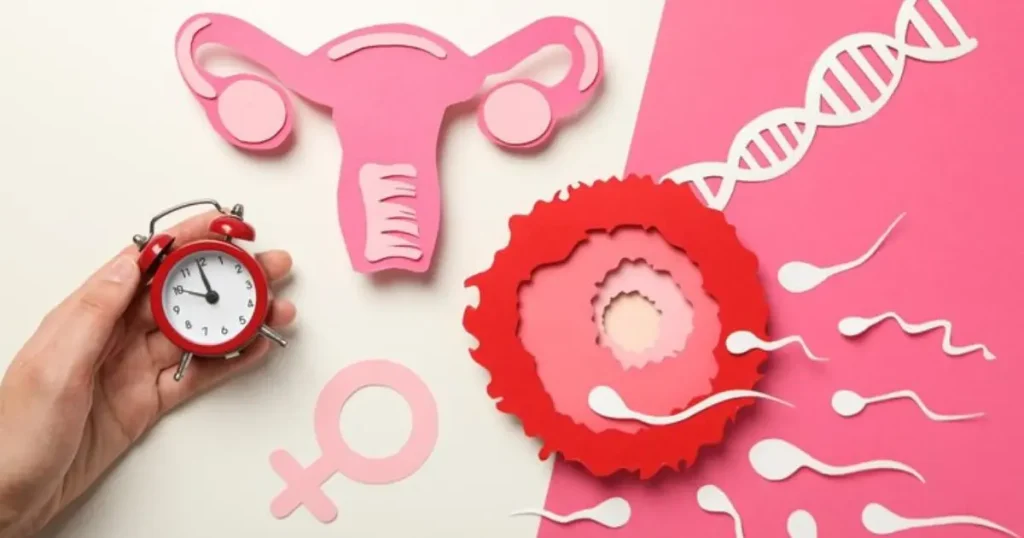
Ovulation is the process in which a mature egg is released from the ovary and travels down the fallopian tube, where it may be fertilized by sperm. This typically occurs once during each menstrual cycle and marks the most fertile phase of the cycle.
In a regular 28 day cycle, ovulation usually happens around day 14. However, not all women have textbook cycles. Ovulation can vary based on age, stress levels, hormonal health, and lifestyle factors. Understanding your personal cycle pattern is key to identifying ovulation accurately.
Once released, the egg survives for about 12 to 24 hours. However, sperm can live inside the female reproductive tract for up to five days. This is why the days leading up to ovulation are considered the fertile window.
The fertile window refers to the six days during a menstrual cycle when pregnancy is most likely to occur. This includes the five days before ovulation and the day of ovulation itself.
During this time, hormonal changes prepare the body for potential fertilization. Recognizing the fertile window is important not only for conception but also for understanding hormonal health and cycle regularity.
Women who track their fertile window often notice physical and emotional changes that signal ovulation is approaching.
Being aware of ovulation symptoms offers several benefits:
• Helps with family planning and conception
• Allows early detection of hormonal imbalances
• Improves understanding of menstrual cycle health
• Supports natural fertility awareness
• Encourages proactive reproductive care
Understanding ovulation also helps women communicate more effectively with healthcare providers when discussing menstrual or fertility concerns.
Ovulation symptoms can vary from woman to woman. Some experience clear signs every month, while others notice subtle or no symptoms at all. Below are the most common ovulation symptoms explained in detail.
One of the most noticeable ovulation symptoms is a change in cervical mucus. As ovulation approaches, cervical mucus becomes clear, slippery, and stretchy, often compared to raw egg whites.
This type of mucus helps sperm survive longer and travel more easily toward the egg. The presence of this discharge usually indicates peak fertility and is one of the most reliable natural signs of ovulation.
Some women experience mild discomfort or cramping on one side of the lower abdomen during ovulation. This sensation is known as mittelschmerz and occurs when the ovary releases an egg.
The pain is typically short lived and may last from a few minutes to a few hours. While usually harmless, severe or persistent pain should be evaluated by a healthcare professional.
A noticeable increase in sexual desire is another common ovulation symptom. Hormonal changes during this time naturally enhance libido, increasing the likelihood of conception.
This response is the body’s natural way of encouraging reproduction and is often accompanied by heightened sensitivity and attraction.
Hormonal fluctuations during ovulation can make the breasts feel tender or slightly swollen. This sensitivity may continue into the second half of the menstrual cycle.
While mild discomfort is normal, severe or persistent breast pain should be discussed with a healthcare provider.
Some women notice sharper senses during ovulation. Scents, tastes, and even visual perception may feel more intense due to hormonal shifts.
This heightened sensory awareness is temporary and typically fades after ovulation.
After ovulation occurs, progesterone levels rise, causing a slight increase in basal body temperature. Tracking this temperature daily can help confirm ovulation, although it indicates that ovulation has already occurred.
Many women use this method alongside other signs to understand their cycle more clearly.
In some cases, light spotting may occur during ovulation. This happens due to hormonal fluctuations or the release of the egg from the ovary. Spotting is usually minimal and short lived.
If bleeding is heavy or prolonged, medical evaluation is recommended.
Ovulation symptoms typically last between 24 and 48 hours. However, fertile cervical mucus may appear for several days before ovulation, extending the fertile window.
Tracking these symptoms over several cycles helps identify patterns and predict future ovulation more accurately.
Several factors can influence ovulation timing and symptom intensity:
• Stress and emotional health
• Sudden weight changes
• Excessive exercise
• Poor sleep quality
• Hormonal imbalances
• Medical conditions such as PCOS or thyroid disorders
Understanding these influences can help women make lifestyle adjustments to support hormonal balance.
Ovulation is closely linked to hormonal health. Estrogen and luteinizing hormone work together to trigger the release of the egg, while progesterone supports the body after ovulation.
Disruptions in these hormones can prevent ovulation or cause irregular cycles. Monitoring ovulation symptoms can provide early insight into hormonal imbalances that may require medical attention.
Some women may not experience noticeable ovulation symptoms. This does not always mean ovulation is not occurring. However, consistently absent signs may indicate an underlying issue such as:
• Hormonal imbalance
• Thyroid disorders
• Polycystic ovary syndrome
• Chronic stress
Consulting a gynecologist can help identify and address the cause.
Tracking ovulation can help women understand their cycles better and plan accordingly. Common methods include:
• Monitoring cervical mucus changes
• Tracking basal body temperature
• Using ovulation prediction kits
• Observing physical and emotional changes
Consistency is key when tracking ovulation for accurate results.
Understanding ovulation is essential for couples trying to conceive. Timing intercourse during the fertile window significantly increases the chances of pregnancy.
For those not planning pregnancy, recognizing ovulation also helps in natural family planning methods.
You should consider consulting a healthcare professional if you experience:
• Irregular or absent ovulation
• Severe pelvic pain
• Extremely irregular menstrual cycles
• Difficulty conceiving after several months
• Sudden changes in menstrual patterns
Early medical guidance can prevent complications and support reproductive health.
A gynecologist can evaluate ovulation health through hormonal testing, ultrasound imaging, and cycle analysis. Personalized guidance helps identify underlying issues and develop an effective treatment plan.
Professional care ensures both physical health and emotional reassurance throughout the reproductive journey.
Understanding ovulation symptoms empowers women to connect with their bodies and make informed health decisions. From identifying the fertile window to recognizing hormonal changes, awareness plays a vital role in reproductive wellness.
By paying attention to your body’s signals and seeking professional guidance when needed, you can take control of your reproductive health with confidence. Whether your goal is conception, cycle regulation, or overall well being, understanding ovulation is a powerful step toward long-term health.