
Pelvic pain is a common yet often misunderstood health concern that affects women of all ages. It can range from mild discomfort to severe, debilitating pain that interferes with daily activities. While some women experience pelvic pain occasionally, others may suffer from persistent or recurring pain that significantly impacts their quality of life.
Understanding pelvic pain, its causes, symptoms, and available treatment options is essential for early diagnosis and effective management. Many women ignore pelvic discomfort, assuming it is a normal part of menstruation or stress. However, persistent or severe pelvic pain should never be overlooked, as it may indicate an underlying medical condition that requires attention.
This detailed guide will help you understand the possible reasons behind pelvic pain, how it is diagnosed, and what treatment options are available to restore comfort and overall well-being.
Pelvic pain refers to discomfort felt in the lower abdomen, below the belly button and between the hip bones. It can originate from various organs, including the uterus, ovaries, fallopian tubes, bladder, intestines, or pelvic muscles. The pain may be sharp, dull, cramping, or pressure-like, depending on the underlying cause.
Pelvic pain can be classified as either acute or chronic. Acute pelvic pain occurs suddenly and may last for a short period, often requiring immediate medical attention. Chronic pelvic pain, on the other hand, lasts for six months or longer and may fluctuate in intensity over time. Chronic pain often affects emotional health, daily activities, and personal relationships.
Understanding the nature of pelvic pain is the first step toward effective diagnosis and long-term relief.
Many women normalize pelvic pain, especially if it occurs during menstruation. However, ongoing or severe pelvic discomfort should never be ignored. Persistent pain may indicate infections, hormonal imbalances, or gynecological conditions that can worsen if left untreated.
Ignoring pelvic pain may lead to complications such as fertility issues, chronic inflammation, or emotional distress. Early diagnosis allows for timely treatment, preventing further health concerns and improving overall quality of life.
Listening to your body and seeking professional guidance is essential for maintaining long-term reproductive and general health.
Pelvic pain can result from a wide range of gynecological, urinary, digestive, or musculoskeletal conditions. Below are some of the most common causes explained in detail.
Menstrual cramps are one of the most frequent causes of this pain in women. They occur when the uterus contracts to shed its lining during menstruation. These contractions are triggered by hormone-like substances called prostaglandins.
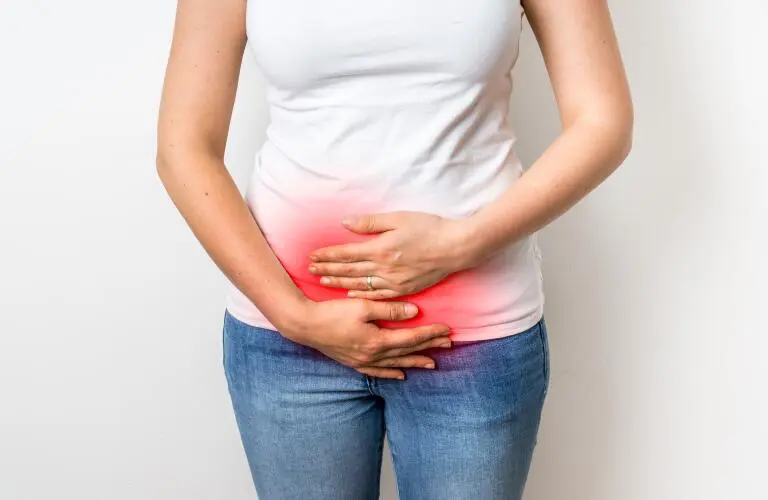
For some women, menstrual cramps are mild and manageable. However, for others, the pain can be intense and disruptive. Severe cramps may interfere with daily activities and are sometimes associated with underlying conditions such as endometriosis or fibroids. Persistent or worsening menstrual pain should always be evaluated by a healthcare professional.
Ovulation pain, also known as mittelschmerz, occurs when an ovary releases an egg. This pain is usually felt on one side of the lower abdomen and may last from a few minutes to a few hours.
Although ovulation pain is generally harmless, it can be uncomfortable and concerning for some women. Tracking menstrual cycles can help identify patterns and distinguish ovulation pain from other causes of pelvic discomfort.
Endometriosis is a condition where tissue similar to the lining of the uterus grows outside the uterus. This tissue responds to hormonal changes, leading to inflammation, pain, and sometimes scarring.
Women with endometriosis often experience chronic pelvic pain, painful periods, discomfort during intercourse, and fertility challenges. The condition can significantly impact daily life and emotional well-being if left untreated.
Pelvic inflammatory disease is an infection of the reproductive organs, usually caused by untreated sexually transmitted infections. It can lead to long-term pelvic pain, infertility, and internal scarring.
Symptoms may include lower abdominal pain, fever, unusual vaginal discharge, and painful intercourse. Early diagnosis and treatment are crucial to prevent serious complications.
Ovarian cysts are fluid-filled sacs that form on or inside the ovaries. Many cysts are harmless and resolve on their own, but some can grow large or rupture, causing pelvic pain and discomfort.
Symptoms may include bloating, pressure, or sharp pain on one side of the pelvis. Regular gynecological checkups help monitor ovarian health and detect abnormalities early.
Urinary tract infections can cause pelvic discomfort along with symptoms such as burning during urination, frequent urges to urinate, and lower abdominal pressure. If untreated, UTIs can spread to the kidneys and lead to more severe complications.
Prompt medical treatment usually resolves symptoms quickly and prevents further issues.
Digestive conditions such as irritable bowel syndrome (IBS), constipation, or bloating can cause pelvic discomfort that mimics gynecological pain. These conditions often fluctuate based on diet, stress, and lifestyle habits.
Understanding the digestive connection can help differentiate pelvic pain causes and guide appropriate treatment.
Pelvic pain can also stem from muscle tension, nerve irritation, or injuries affecting the pelvic floor. Poor posture, prolonged sitting, or previous surgeries may contribute to muscle-related discomfort.
Pelvic floor physical therapy is often effective in relieving this type of pain.
Pelvic pain often occurs alongside other symptoms, which can provide important diagnostic clues. These may include:
• Irregular or heavy menstrual bleeding
• Pain during or after intercourse
• Abnormal vaginal discharge
• Lower back pain
• Bloating or digestive discomfort
• Fatigue and mood changes
Keeping track of symptoms can help healthcare providers identify the underlying cause more accurately.
You should consult a healthcare professional if pelvic pain:
• Persists for more than a few days
• Becomes severe or sudden
• Interferes with daily activities
• Occurs with fever or vomiting
• Is accompanied by abnormal bleeding
Early medical attention can prevent complications and provide peace of mind.
Diagnosis usually begins with a detailed medical history and physical examination. Depending on symptoms, further investigations may include:
• Ultrasound imaging
• Blood and urine tests
• Pelvic examination
• Laparoscopy in complex cases
These tests help identify the cause and determine the most effective treatment plan.
Treatment depends on the underlying cause, severity, and duration of symptoms. A personalized approach ensures the best outcomes.
Medications may include pain relievers, anti-inflammatory drugs, antibiotics, or hormonal treatments. These help manage pain, reduce inflammation, and address infections or hormonal imbalances.
Hormonal treatments help regulate menstrual cycles and reduce pain caused by conditions such as endometriosis or hormonal imbalances. They are often prescribed under close medical supervision.
Pelvic floor physical therapy strengthens muscles, improves flexibility, and reduces muscle tension. This therapy is particularly beneficial for chronic pelvic pain related to muscle dysfunction.
Lifestyle changes can significantly improve symptoms. These include maintaining a balanced diet, managing stress, exercising regularly, and getting adequate sleep. Small adjustments often make a meaningful difference.
In severe cases, surgery may be recommended to remove cysts, fibroids, or abnormal tissue. Surgical options are considered when conservative treatments are ineffective.
Chronic pelvic pain can affect emotional well-being, leading to stress, anxiety, and frustration. Many women feel misunderstood or isolated when living with long-term pain.
Emotional support, counseling, and open communication with healthcare providers can greatly improve quality of life.
Managing pelvic pain involves understanding your body, following medical advice, and adopting healthy habits. With the right care plan, many women experience significant relief and improved daily functioning.
Regular checkups, symptom monitoring, and proactive care empower women to take control of their reproductive health.
Pelvic pain is a complex condition that affects women in many different ways. While it can be distressing, understanding its causes, symptoms, and treatment options makes it manageable. Early diagnosis and proper care play a vital role in preventing complications and improving overall well-being.
If you experience ongoing pelvic pain, seeking professional medical advice is the first step toward relief and long-term health.