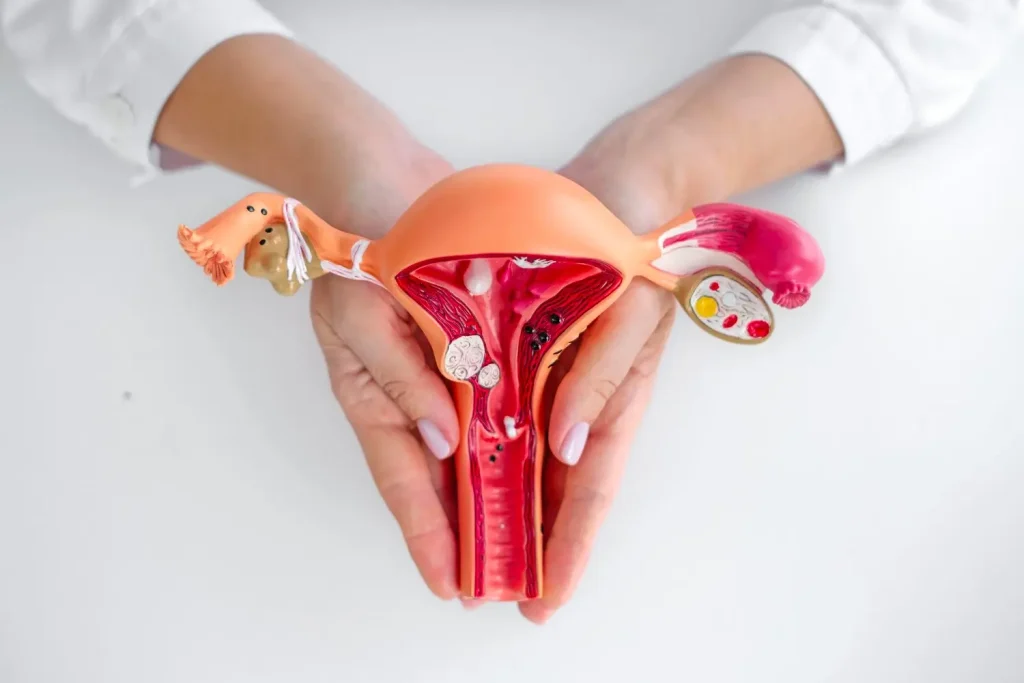
The endometrium is the inner lining of the uterus. It changes throughout the menstrual cycle in response to hormones, preparing the uterus for a possible pregnancy. If pregnancy does not occur, this lining is shed during menstruation. A thin endometrium refers to a uterine lining that measures thinner than expected for a particular stage of the menstrual cycle. Endometrial thickness is usually assessed through a pelvic ultrasound, often a transvaginal ultrasound, which provides a detailed view of the uterus.
The thickness of the lining naturally changes during the cycle. It is generally thinner during menstruation and becomes thicker as ovulation approaches. After ovulation, hormonal changes prepare the lining for possible implantation. There is no single thickness measurement that determines whether a woman can become pregnant. The significance of a thin endometrium depends on the timing of the scan, menstrual cycle patterns, fertility history, and whether conception is occurring naturally or through fertility treatment.
A thin endometrium does not always cause noticeable symptoms. Some women discover it during an ultrasound performed for fertility assessment, irregular periods, or another gynecological concern. When symptoms are present, they may include:
These symptoms are not specific to a thin uterine lining. Hormonal imbalances, thyroid disorders, changes in ovarian function, and other reproductive conditions can also affect menstrual patterns.
For this reason, an ultrasound measurement should be interpreted alongside your symptoms and medical history rather than treated as a diagnosis on its own.
Several factors may contribute to a thin uterine lining. Identifying the underlying cause is important because treatment depends on the individual circumstances.
Oestrogen helps stimulate the growth of the endometrium during the first half of the menstrual cycle. If oestrogen levels are insufficient, the lining may not develop as expected. Hormonal changes can occur for different reasons, including certain ovarian conditions, reduced ovarian function, or disturbances in the normal menstrual cycle. A doctor may recommend hormone testing when the history and symptoms suggest a hormonal cause.
Previous procedures involving the uterus, including some forms of uterine surgery or repeated uterine instrumentation, may occasionally lead to scar tissue inside the uterine cavity. Intrauterine adhesions, sometimes called Asherman’s syndrome when associated with relevant symptoms and clinical findings, can affect the normal lining and menstrual flow. The likelihood depends on the nature of the previous procedure and other individual factors.
Certain infections involving the lining of the uterus can cause inflammation and, in some cases, contribute to scarring. A history of uterine infection may therefore be relevant when investigating persistent thin endometrium, particularly when accompanied by menstrual changes or fertility concerns.
Some medications used during fertility treatment may influence the development of the uterine lining. The response varies between individuals and depends on the medication and treatment protocol. If the lining remains thin during a fertility cycle, the fertility specialist may review the treatment plan and investigate whether another factor is contributing.
Irregular ovulation, low oestrogen levels, and changes in ovarian function can affect the development of the endometrium. In some cases, the lining may simply have been measured earlier in the cycle than expected. This is one reason a single ultrasound measurement should not be used to determine fertility potential without considering the timing and clinical circumstances.
The endometrium plays an important role in implantation, the process through which an embryo attaches to the uterine lining. A lining that develops appropriately provides the environment needed for early pregnancy. A persistently thin endometrium may be associated with lower implantation or pregnancy rates in some fertility treatment settings. However, the relationship is not straightforward, and thickness alone cannot predict whether conception will occur. Many other factors influence fertility, including egg quality, ovulation, sperm health, embryo development, and the condition of the uterine cavity.
It is also important to understand that a thin endometrium does not automatically mean infertility. Some women with a thinner-than-expected lining conceive and have healthy pregnancies. If you are having difficulty conceiving, your doctor may assess the uterine lining alongside other fertility factors rather than focusing on the measurement alone. The appropriate evaluation may differ depending on your age, menstrual history, previous pregnancies, and how long you have been trying to conceive.
The main method used to assess endometrial thickness is ultrasound. Your doctor may recommend one or more of the following investigations depending on your symptoms and medical history.
Transvaginal ultrasound: This scan provides detailed images of the uterus and allows the clinician to measure the endometrial lining. The timing of the scan is important because the thickness changes throughout the menstrual cycle.
Repeat ultrasound monitoring: If the first measurement was taken at an unexpected stage of the cycle, another scan may help determine whether the lining develops normally over time. This can be particularly useful during fertility treatment.
Hormonal assessment: Blood tests may be recommended when there are signs of irregular ovulation, low oestrogen levels, thyroid problems, or other hormonal concerns.
Assessment of the uterine cavity: If scarring, adhesions, or another structural problem is suspected, your doctor may recommend saline infusion sonography or hysteroscopy. Hysteroscopy allows direct examination of the inside of the uterus and may help identify adhesions or other abnormalities.
Not every patient needs all these tests. The choice depends on the initial findings and the clinical question being investigated.
There is no single treatment suitable for every woman with a thin endometrium. The aim is to identify any underlying cause and determine whether treatment is likely to improve menstrual health or fertility outcomes.
If hormonal changes are contributing to the thin lining, treatment may be directed towards the underlying condition. In selected cases, a clinician may recommend hormonal medication to support endometrial development. Oestrogen treatment may be considered in specific fertility treatment protocols, but it is not appropriate for everyone and should only be used under medical supervision.
When scar tissue or adhesions are affecting the uterine cavity, hysteroscopic treatment may be considered. The decision depends on the extent of the adhesions, symptoms, fertility goals, and the potential benefits and risks of the procedure.
For women undergoing assisted reproductive treatment, a specialist may review the timing, medication protocol, and ultrasound findings if the endometrium remains thin. Possible changes depend on the treatment cycle and individual response. There is no guarantee that a particular medication, supplement, or procedure will increase endometrial thickness or improve the chance of pregnancy.
Sometimes, the most appropriate approach is to monitor the lining at the correct stage of the menstrual cycle before recommending treatment. A measurement that appears low at one point in the cycle may be less concerning when viewed in context. Avoid starting hormonal medication or fertility supplements without medical advice. Treatments promoted for improving uterine lining thickness may have limited evidence, and unnecessary treatment can carry risks.
Consider seeking a gynaecological assessment if you have persistently lighter or irregular periods, difficulty conceiving, repeated findings of thin endometrium during fertility monitoring, or a history of uterine procedures followed by changes in menstruation.
You should also discuss the finding if you are preparing for fertility treatment and your specialist has concerns about the lining’s development. A consultation can help establish whether the measurement is appropriate for your cycle, whether an underlying condition needs investigation, and what options are suitable for your reproductive goals.
Endometrial thickness varies throughout the menstrual cycle and after menopause. There is no single measurement that is normal for every woman or that independently determines fertility. Your doctor will interpret the result according to your age, cycle stage, symptoms, and reason for the scan.
Yes, pregnancy is possible. A thin lining may be associated with reduced pregnancy rates in some circumstances, particularly during fertility treatment, but it does not mean pregnancy is impossible. Your overall fertility assessment is more informative than thickness alone.
A thin lining may be associated with reproductive difficulties in some settings, but the evidence does not support using endometrial thickness alone to predict miscarriage. Previous pregnancy losses require an individualised assessment of possible causes.
The lining normally changes in response to hormones during the menstrual cycle. Whether a persistently thin lining improves depends on the underlying cause. If the finding continues, a clinician can determine whether further investigation or treatment is appropriate.
No specific food has been proven to reliably increase endometrial thickness or guarantee implantation. A balanced diet supports general health, but persistent thin endometrium should be evaluated rather than managed through dietary changes alone.
A thin endometrium can raise questions, particularly if you are planning a pregnancy or undergoing fertility treatment. However, the measurement does not tell the whole story. Understanding the timing of the scan, hormonal factors, uterine health, and reproductive history is essential before deciding whether treatment is needed.
Dr. Namrata Jadhav is a best gynecologist in Dubai with more than 11 years of post-DNB experience, provides individualized gynaecological assessment and guidance based on each patient’s symptoms and clinical needs.
If you have been told that your uterine lining is thin, a consultation can help you understand the finding and discuss appropriate next steps. Women searching for the best gynecologist in Dubai or the best female gynecologist in Dubai should look for evidence-based guidance, clear explanations, and care tailored to their circumstances.
A thin endometrium is a finding that needs to be interpreted in context. Although a persistently thin uterine lining may be associated with fertility challenges in some cases, it does not automatically mean that you cannot conceive or have a healthy pregnancy. The most useful next step is to understand why the lining appears thin and whether the finding is consistent across appropriately timed assessments. With a careful evaluation and an individualised care plan, you can make informed decisions about your menstrual and reproductive health.